


Colic risk for horses moved from pasture to stabling
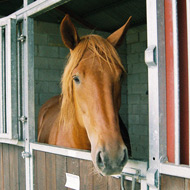
Horses moved from pasture to stabling drank nearly twice as much as before, but produced fewer and drier droppings.
Moving horses from pasture to stabling could be a key risk factor for colic onset in horses, according to new research.
A study by the University of Nottingham found horses moved from pastures to stabling drank significantly more, but produced far fewer and drier droppings during the first five days after being moved.
Colic is the most common emergency problem and one of the leading causes of death in horses. While it is known that colic often occurs after abrupt changes in management, previous research has not looked into how this affects the gut.
The second most common cause of colic is colonic obstruction and distension (SCOD), or impaction. This is a build up of dried feed within the intestine, resulting in blockages.
The study involved seven military horses at the Defence Animal Centre in Melton Mowbray, Leicestershire. Horses were monitored 24 hours a day at pasture and for 14 days following the change to stabling with light controlled exercise.
Findings published in the Equine Veterinary Journal indicate that after the horses were moved to stables, they drank nearly twice as much as previously, but there were significantly fewer, drier droppings.
Leading the research, Dr Sarah Freeman said the changes were "rapid and marked", and most significant in the five days after the change in management. She said: "We think this represents the high risk period for colic."
While the horses drank more when stabled, Dr Freeman explained this did not compensate for the change of diet and environment. "There was both slowing down of gut motility and drying out of gut contents," she added.
It is not yet clear from the research whether colic is caused by the dehydration of food, changes in contractions of the gastrointestinal tract or both.
At some point, all horses will be moved from pastures to stabling, whether because of injury, poor weather or new livery.
Dr Freeman says the results of the study are a "significant step toward understanding why horses develop impaction colic when stabled."
While it is known that abrupt changes in management can cause colic, the affects on the gut were previously unknown. Dr Freeman concluded: "We hope that the results will help vets and horse owners modify management to reduce these problems."


 BVA has announced a new series of its Building Great Workplaces lunchtime webinars.



