


RCVS Council members divided over delegation
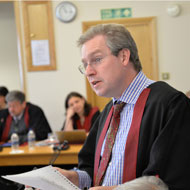
Mark Elliott said the council "must be able to challenge decisions made by smaller groups."
During last week's RCVS Council meeting, Mark Elliott raised concerns over the “possible sidelining” of the council's role as a result of delegation to committees.
At the June 5 meeting, council members had the opportunity to review changes made to the RCVS' governance structure in 2013.
Going forward, it was recommended that “papers for council meetings should not include minutes of committee meetings.”
Instead, committee chairmen would provide “written and oral updates at each council meeting”. It was proposed that minutes be copied to council, but not as part of the bundle of papers for council meetings.
However, councillor Mr Elliott said: “I think we are going to fast too soon”, adding that there is a risk that papers put to council would not be fully debated and the process for challenging decisions is “far too cumbersome”.
“If council is going to make a decision it must have the papers before it,” he said.
Mr Elliott said he has “quite a lot of concerns” about the number of powers being delegated to the operational board, referring to paragraphs 7, 8 and 9 of the council papers, stating that the board should appoint committee members, except chairmen and vice-chairman of the main committees.
While the council respects and trusts committee decisions, Mr Elliott stressed: “Council must be able to challenge the decisions made by smaller groups,” and without the diversity of council “how can we make the right decision?”
Similarly, Mr Stephenson said it is “very important” that council members receive the minutes of the committee meetings, as RCVS members “hold [the council] personally responsible for the decisions made.” He made particular reference to the recent backlash from the profession on the initial decision to remove certain post-nominals from the register – a decision which was overturned at the meeting this month.
The council unanimously agreed to change the recommendation to “papers for council meetings should include minutes of committee meetings.”
However, Mr Elliott proposed that decisions on committee matters should continue to be made by council, which president Neil Smith said would remove delegation.
RCVS CEO Nick Stace also raised concerns that this would take the college back to where it was a year ago, making it a “slow, cumbersome” organisation, for which it has previously been criticised.
Kit Sturgess said: “I feel very strongly that we have to make these delegations to move forward”. There were also concerns that committees could become “less relevant”, putting less time and effort into work that may not go forward.
Mr Elliott will submit a paper on the issue for discussion at the next council meeting in November.


 Eligible members of BEVA will be able to vote for their Council team until Monday, 17 August 2026. Members will have received an election email on 17 July.



