


Research provides free resource on working equines
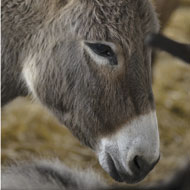
There are estimated to be 100 million working horses, donkeys and mules worldwide.
A new collection of free research articles aims to build understanding and encourage joint working to address the welfare problems of the world's working equids.
The articles, a compendium of eight research papers published online by the Equine Veterinary Journal (EVJ) and sponsored by World Horse Welfare, will be added to as new data emerges to form a free resource for all practitioners working in equine welfare.
The new research tool comes after the 7th International Colloquium on Working Equids in July this year, where more than 150 representatives from 27 countries discussed the plight of the estimated 100 million working horses, donkeys and mules who sustain human livelihoods around the world and recommended that broader access to research would encourage greater worldwide collaboration.
The current collection addresses clinical problems such as lameness, tack-related wounds and parasite infestation and the risks associated with the meat and milk of the working equid in the human diet.
Roly Owers, Chief Executive of World Horse Welfare, said; “To improve the effectiveness of programmes focused on working equids globally, we need to share information globally. Research builds the evidence base for better interventions and helps improve collaboration between equine charities and veterinary organisations, with human development organisations, universities and governments. Wider access to relevant research should make an even greater, sustainable impact for working equids and World Horse Welfare is pleased to support the EVJ in helping to achieve this end."
Prevention and treatment for common welfare problems start being addressed through knowledge and education and the articles are available free online at http://onlinelibrary.wiley.com/journal/10.1001/%28ISSN%292042-3306/homepage/working_equid_virtual_issue.htm.
More research is needed on working equids and World Horse Welfare offers bursaries to veterinary students and grants to encourage research into major welfare challenges both in the UK and overseas. To find out more contact andrewhiggins@worldhorsewelfare.org.


 BVA has announced a new series of its Building Great Workplaces lunchtime webinars.



