


British pig farmers step up biosecurity
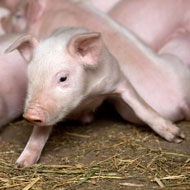
Most pig keepers said they would no longer use breeding pigs imported from at-risk countries.
British pig farmers have made significant improvements to biosecurity over the past year, in order to protect the UK from foreign diseases. This is according to the results of a new survey by the National Pig Association (NPA).
Industry experts have made repeated pleas to farmers to step up their biosecurity this year, in light of the rising threat of African swine fever and porcine epidemic diarrhoea virus (PEDv).
NPA's chief executive Zoe Davies, said: "In the States, PEDv has wiped out over a tenth of the pig population in the past two years, causing up to 100 per cent mortality in piglets when it gets onto a pig unit."
In addition, there are concerns that African swine fever may become endemic in parts of the European Union. Dr Davies said if the disease arrived in the UK "it would instantly jeopardise our growing export trade in high-welfare British pork".
Results from the NPA survey of 66 pig units suggest commercial producers and smallholders are becoming increasingly aware of the threat of imported disease.
Key findings were:
- A majority (84 per cent) of farmers insist that visitors to the unit have not had any recent contact with pigs.
- Almost half (43 per cent) ensure visitors wear the unit's protective clothing and footwear. Nearly a quarter of respondents also insist on visitors showering-in.
- Most pig keepers (82 per cent) would no longer use breeding pigs imported from at-risk countries. In addition, 69 per cent have banned AI semen from these countries.
- Three-quarters have a barrier between their pigs and incoming vehicles. Of these, 21 per cent only allow essential vehicles through, while 19 per cent would not allow any in at all.
- All producers to take part in the survey said staff and visitors who have been to at-risk countries are not allowed at the unit unless they have since had three days free from contact with pigs. The majority also insist they do not wear the same clothing or footwear as they wore while abroad.
While these figures are very positive, NPA says it remains concerned about pig producers it is not able to reach.
Dr Davies said: "Our problem is that whilst NPA has good communications with commercial producers and the British Pig Association fulfils a similar role with pedigree breeders and smallholders, neither of us finds it easy to reach those people who keep pigs but aren't members of either organisation - and that's our challenge for 2015."
In addition, there is some concern over many pig units' close proximity to other people and pigs. More than a third of units are within 100 yards of a public footpath or bridleway, and 18 per cent are within half a mile of another pig unit.

 BVA has announced a new series of its Building Great Workplaces lunchtime webinars.



