


Horses and ponies needed for EGS trial
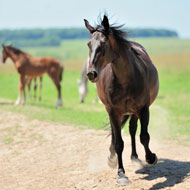
As vaccinations prevent similar equine diseases including tetanus and botulism, it is hoped a vaccine may also be able to prevent EGS.
A groundbreaking equine grass sickness (EGS) trial is now in its second year and the Animal Health Trust (AHT) is looking to recruit more horses.
Last year, AHT launched the trial to find out whether a vaccine could prevent this debilitating and often fatal disease. EGS affects horses, ponies and donkeys, causing damage to the nervous system and paralysis of the gut.
Britain has the highest incidence of EGS in the world, with 59 cases reported last year through the EGS Surveillance Scheme. This is thought to represent just a fraction of the cases occurring annually in Britain.
In almost all cases, EGS occurs in horses with access to grazing. Increasingly, scientific evidence suggests the disease is caused by Clostridium botulinum type C - a bacterium commonly found in soil. It produces neurotoxins to which horses are particularly sensitive.
As vaccinations prevent similar equine diseases including tetanus and botulism, it is hoped a vaccine may also be able to prevent EGS. AHT is collaborating with the universities of Edinburgh, Liverpool and Surrey to find out if this is the case.
Horses and ponies enrolled on the trial receive either a C. botulinum type C toxoid vaccine or a placebo, as well as an annual booster. During the trial, researchers monitor the incidence of EGS to determine the vaccine's efficacy. Horses and ponies are also monitored through regular follow ups throughout the trial period.
The high risk season for EGS is fast approaching. Around 60 per cent of cases are seen in April-June.
Prior to the high risk months, AHT is looking to recruit horses on premises that have had at least one case of EGS in the past three years. The trust is asking vets to help by encouraging clients with suitable horses to sign up for the trial.
Dr Jo Ireland, AHT's EGS research co-ordinator, said: "We have been delighted with the overwhelmingly positive response to the EGS vaccine trial and many owners have welcomed the chance to be a part of such important research.
"We don’t want any eligible horse owners to miss out on the opportunity to contribute towards a potential breakthrough in the prevention of EGS, so we are encouraging more owners to enrol their horses on the trial this year."
For more information about the trial, visit AHT's dedicated EGS website: www.equinegrasssickness.co.uk or email: equinegrasssickness@aht.org.uk


 BVA has announced a new series of its Building Great Workplaces lunchtime webinars.



