


BVA release 'must-know' goat facts
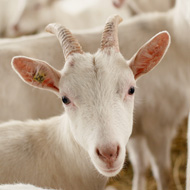
Goats are herd animals and will be miserable if kept by themselves. Two goats together is the absolute minimum.
As the Chinese Year of the Goat starts, The British Veterinary Association in collaboration with the Goat Veterinary Society (GVS) have issued a list of surprising facts and 'must-know' advice to goat keepers and lovers in the UK.
The BVA say that the six facts issued will surprise many but are critical to ensure that goats are healthy and happy:
- Think dogs are man’s best friends? Think again – goats are friendly, inquisitive and gregarious animals, and genuinely love the company of humans.
- Goats need friends – never keep a single goat on its own. Goats are herd animals and will be miserable if kept by themselves. Two goats together is the absolute minimum.
- Toys are a must! Goats should never be kept in a barren environment. Enrichment is key as goats love to climb onto and over obstacles – a straw bale is a plaything for goats!
- The Great Escape (or The Goat Escape!) – goats are great escapologists. Any building or paddock must be “goat proof.”
- Stretching (as well as climbing and bouncing) – goats stand on their hind limbs and can reach up to 2 metres above the ground.
- Choosy but chewy – contrary to popular belief, goats won’t just eat anything as part of their staple diet but they do love to nibble and chew on anything new. Keep electric cables covered!
Commenting on the list, BVA president John Blackwell said: “As goats come into the spotlight as the Chinese New year celebrations start, we would advise anyone thinking of keeping these lovely animals to fully understand their needs and what it takes to keep them happy and healthy.
"Our colleagues at the Goat Veterinary Society are dedicated to improving the health and welfare of all goats in the UK and have a wealth of information to offer. The Animal Welfare Foundation’s leaflet on keeping goats is a good place to start and your local vet will be able to advise on the health and welfare needs of your animals.”
GVS chairman David Harwood added: “Goats are delightful animals to keep – inquisitive, intelligent and keen to be in the company of both other goats and their human keepers, they are a joy to care for. But as with any animal, they have specific welfare needs and these should never be forgotten. For example, however well-meaning the owner, keeping a single goat in a paddock with no enriching features to satisfy the goat’s curiosity and energy and with no playmates will result in a lonely, stressed animal."
Those interested in keeping goats are urged to contact the GVS or the British Goat Society to see whether or not a goat is the best choice of animal for them.


 BVA has announced a new series of its Building Great Workplaces lunchtime webinars.



