


MPs back Harvey's Law
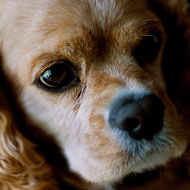
A petition campaigning for a change in the way authorities deal with pets killed on the roads received over 122,000 signatures. (file photo)
Pets that are killed in road traffic accidents will have to be identified, collected and their owners informed by the Highways Agency, the transport minister John Hayes has said.
Mr Hayes made the announcement during a parliamentary debate on March 2. The debate was prompted by an e-petition calling for "Harvey's Law" which received more than 122,000 signatures.
The campaign was launched after Jude Devine's beloved pet Harvey escaped from a friend's house in November 2013.
Harvey's owners searched for him for 13 weeks, spending thousands of pounds on flyers, banners and adverts, before they were finally told their dog, who was chipped and wearing an identification tag, had been killed on the M62 shortly after he went missing.
The petition calls for legislation to ensure Highways Agency staff are required to scan all animals retrieved from the highways, file a log report and circulate it to the police and dog warden.
Harvey's Law won much support during this week's debate in parliament. Mr Hayes revealed he had informed the Highways Agency that he expected it to collect and identify each animal killed on the roads and to try to contact the owners.
This will be included as a mandatory requirement in new contracts issued. For those contracts that have already been issued, Mr Hayes said he has asked for an urgent investigation to add this requirement.
In addition, Mr Hayes announced his intention to extend this policy to cats found on the roads. "I want to ensure that where cats are involved in accidents, owners can be confident that we will endeavour to ensure that they are identified," he said.
"Cats often have means of identification, so where a cat can reasonably be identified, its owner should be contacted in the same way… We will use every possible endeavour and every practical means to identify cat owners."
Mr Hayes also said he would be contacting Transport for London, as well as all local highways authorities in the country, to highlight the government's position.


 Eligible members of BEVA will be able to vote for their Council team until Monday, 17 August 2026. Members will have received an election email on 17 July.



