


"The veterinary profession is at a crossroads," says election hopeful
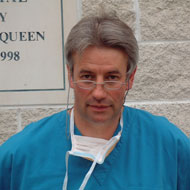
Mental health is an area in which Professor Greet says “we must strive to do better”.
Veterinary practice is facing a period of great change, with the so-called 'feminisation' of the profession and rising concerns about work-life balance. Tim Greet, a candidate in the RCVS Council elections, says we must make sure the quality of care delivered by the profession “does not become eroded”.
Speaking to MRCVSonline, he said: “I feel that the veterinary profession is at a crossroads and I would very much like to be part of directing its future...
“Embracing change is always difficult and with our clients underwriting the costs of future development, we have to balance necessary improvements with affordability.”
Mental health is an area in which Professor Greet says “we must strive to do better”, although he notes there is now greater awareness of these issues among members of the profession.
“The Veterinary Helpline, the Veterinary Surgeons’ Health Support Programme, the Vet Helpline and the Vetlife website are all involved in trying to provide assistance,” he says.
“However, many colleagues facing difficulties are too proud, independent, or just unaware to seek help. It is the duty of all of us to keep an eye on colleagues in our practices, or local areas, to monitor their wellbeing and to try to intercede when problems are identified.”
Professor Greet, of Rossdales Equine Hospital, believes “the [RCVS] council would be stronger and probably more representative of the profession” if more people stood for and voted in the council elections.
“We almost certainly get the council we deserve,” he continued. “I feel that the Council does make an effort to meet with members of the profession. However, as with general politics there is a huge sense of apathy or worse still, a feeling amongst ordinary members that they can have no influence on the future.”
Certain RCVS decisions in recent years have prompted consternation among the profession. Commenting on these, Mr Greet defended the college: “The profession must realise how fortunate we are to be self-regulating and it should also try to understand what a difficult position the RCVS often finds itself as a custodian of the wellbeing of the animal-owning public and our patients, rather than of the profession itself.
“Undoubtedly there was a considerable amount of justifiable internal naval gazing by RCVS Council. However, I believe with the new CEO working well and the RCVS having learnt from recent experiences, that it is now in a better position to move forwards.”
For our full interview with Tim, visit www.vetcommunity.com. Login in or sign up for a free account to read more on the elections and discuss.

 BVA has announced a new series of its Building Great Workplaces lunchtime webinars.



