


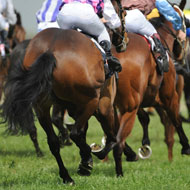
RSPCA wants BHA to consider changes following recent course improvements
The number of horses starting the Grand National should be considered by racing authorities to reduce risk to horses and jockeys, according to the RSPCA.
The animal charity believes that bunching at fences and loose runners in the race continue to pose a welfare risk to both horse and jockey.
The Grand National course has been changed in recent years following discussions with RSPCA equine consultant David Muir. He believes that the changes have had a positive impact on reducing risk factors benefitting the welfare of the racehorse.
David now hopes the British Horseracing Authority (BHA) and Aintree management will consider his suggestion to reduce the field in future Grand National Races, on top of his previous input.
He said: “As a leading animal welfare charity we feel it’s our duty to do all we can to ensure the welfare of horses involved in racing. The RSPCA has invested a great deal of resources, expertise and time over the years working with the horseracing industry to make welfare improvements to the sport. We believe these improvements not only benefit the horses but also jockeys and the sport as a whole.
“The Grand National is a testing course, by its very nature. In recent years the RSPCA has worked with the Aintree management and the British Horseracing Authority who have made a series of welcome changes including improvements to Becher's Brook, the removal of the solid fence cores producing a more forgiving structure and the removal of several drop landings which in the past have shown to increase the risk factor.
“The provision of superior and more accessible run outs has also been made, taking loose horses out of danger.
“However, we would still like to see a reduction of the field numbers remaining on the agenda due to the number of horses that do not remain in contention at the end of the race. Together with the occasional bunching issues, the number of loose horses when jockeys become unseated further increases risk factors to both horse and jockey.”
This year's race meeting begins on Thursday, 9 April with the Grand National Steeple Chase taking part on Saturday afternoon (11 April).

 BVA has announced a new series of its Building Great Workplaces lunchtime webinars.



