


RVNs will not need extra training to implant microchips
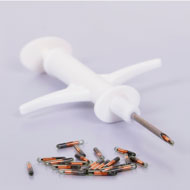
Defra initially envisaged that nurses would need to complete a training course in order to carry out the procedure in England.
Veterinary nurses will not be required to undergo extra training to implant microchips, Defra has confirmed.
Dog microchipping will become compulsory across the UK from April 2016, and Defra initially envisaged that nurses would need to complete a training course in order to carry out the procedure in England.
After negotiations with the BVA, BVNA and RCVS, however, Defra has agreed that RVNs are sufficiently qualified to implant microchips and will be exempt from training requirements when the new law comes into force in England. The details of the legislation are still being considered in Wales and Scotland.
BVNA president Fiona Andrew said she was "delighted" by the news: "It is the right decision and recognises the professionalism and expertise of RVNs and the vital role they play in helping to provide critical services such as microchipping to clients as well as the support they give to veterinary surgeons.
"Veterinary nurses will play an important part in the drive to ensure dogs across the country are microchipped before the enforcement deadline."
RCVS vice-president Neil Smith, who met with Defra officials, also welcomed the news, saying the training would have been an "unnecessary regulatory burden" as well as a "financial burden to practices, which would have had to be passed on to clients."
BVA's president John Blackwell noted that the profession must now work hard to ensure the animal-owning public is aware of the new legislation. Posters for display in waiting rooms and surgeries are now available on the BVA's website.
It was recently revealed that under Defra's new microchipping guidelines for England, veterinary surgeons and nurses could be prosecuted if they fail to report adverse reactions or microchip failures.
There was some consternation among delegates at a talk during BSAVA Congress, where it was revealed that members of the profession could be prosecuted and face fines of up to £500 if they do not report a microchip problem.
Commenting on this aspect of the guidelines, RCVS register Gordon Hockey, said: "There is some concern in the profession about this requirement, but Defra have said that they would not enforce this regulation via the courts, or seek to impose fines."
He said is likely the RCVS will amend its supporting guidance later this year to clarify that vets should report adverse reactions to the Veterinary Medicines Directorate, similar to reports for adverse reactions to veterinary medicines.


 Defra has published guidance for the vet sector ahead of a proposed UK-EU Sanitary and Phytosanitary agreement.



