


BVA 'disappointed' with Defra TB decision
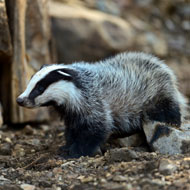
The BVA urge Defra to complete the pilots using cage trapping and shooting only.
The BVA have said that they are 'disappointed' that the Government has taken the decision to continue using controlled shooting in pilot badger culls.
Responding to comments made by Defra Minister George Eustice that pilot badger culls in Somerset and Gloucestershire will be completed using both controlled shooting and cage trapping and shooting, BVA President John Blackwell said:
“We are disappointed that the Government has taken the decision to continue using controlled shooting in the pilots given that the first two years of culling failed to demonstrate conclusively that controlled shooting could be carried out effectively or humanely based on the criteria that were set.
“The Government’s rationale for the continued use of controlled shooting is based on a comparison with the control of other wildlife, but these are not the parameters that the Government set itself at the start of the pilots. Instead – at the behest of BVA and others – the Government asked an independent group of experts to oversee the pilots and the Independent Expert Panel set out criteria which were used to assess humaneness."
The BVA are fully in support of a strategy to tackle bovine TB, however they say that culling should only be carried out using the tried and tested measure of cage trapping and shooting.
“It is difficult to argue that the use of controlled shooting for badger culling is ethical when another more humane and effective method is available," said John.
"We therefore continue to urge Defra to complete the pilots using cage trapping and shooting only and to roll out badger culling to other areas using this method.”
In a recent letter to Veterinary Record (Vol 176 No 21), specialist divisions of the BVA said that they support the use of controlled shooting. Responding to these comments, Mr Blackwell said:
“The BVA’s decision to withdraw our support for the use of controlled shooting as part of the badger culling policy was taken by our Council following consultation with our expert committees, our specialist divisions and our wider membership. We recognise that, like the general population, our members hold a wide range of views and for some our position doesn’t go far enough, while for others it goes too far.
“BVA called for an independent expert panel (IEP) to assess the use of controlled shooting and called on Defra to implement the IEP’s recommendations in full. When the second year of culling failed to demonstrate conclusively that controlled shooting could be carried out effectively and humanely based on the criteria set by the IEP, the only credible option for BVA was to withdraw support for controlled shooting in light of the evidence.
“Our position is therefore wholly appropriate and consistent with our previous statements on badger culling, taking into account the available evidence and the wide range of views expressed by our members.”


 BVA has announced a new series of its Building Great Workplaces lunchtime webinars.



