


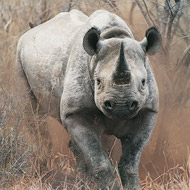
Up to £5 million to be made available
Up to £5 million of funding will be made available to initiatives around the world to help tackle poaching and the illegal wildlife trade, the UK government has announced.
The funding forms part of the Illegal Wildlife Challenge Fund which was announced by the Department for International Development and Defra in December 2013.
This second round of funding will support practical action against wildlife crime by strengthening law enforcement, reducing demand for illegal products and by helping communities develop sustainable conservation schemes.
Speaking at a meeting on illegal wildlife trade at the Zoological Society of London (ZSL), Defra Minister Rory Stewart said: "The illegal trade in animal products is putting some of our most iconic species like elephants, rhinos and tigers in severe danger.
"This is not just an environmental challenge: tackling this trade means tackling corruption, strengthening security and improving livelihoods.
"This funding will help to reduce the supply of illegal wildlife products by supporting local communities to find new ways of earning a living and stopping poachers and criminal networks from controlling this barbaric trade. It will also support action to reduce demand for these products."
The news has been welcomed by ZSL, who say that the funding will provide essential resources to help curb demand, sustainable livelihoods to communities effected by illegal wildlife trade and help to strengthen the criminal justice system and enforcement on the ground.
Since its launch in 2014, Defra's lllegal Wildlife Challenge Fund has supported 19 projects in developing countries, protecting endangered species such as rhinos, elephants and snow leopards.
The project has also helped to stop the criminality and conflict associated with international trafficking of illegal wildlife products.


 Eligible members of BEVA will be able to vote for their Council team until Monday, 17 August 2026. Members will have received an election email on 17 July.



