


Steps taken to tackle work-place injuries
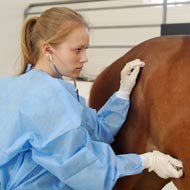
"There is a clear need to establish safer systems of work and education of the profession and other animal handlers."
A consensus statement has been drawn up to help minimise the risk of workplace injuries for equine vets, BEVA has announced.
The move follows shocking findings from a survey of workplace accidents. Released last year, the results showed equine vets receive more injuries in their working life than any other civilian profession, inducing those working in construction, the prison service and the fire brigade.
Round table discussions have been attended by representatives from the BEVA, BVA, RCVS, VDS, heads of vet school equine departments, major equine veterinary practices and survey authors.
Together, they will now explore how improved reporting could help to develop practical measures to reduce the risk of serious and fatal injuries.
Recent work by the UK thoroughbred industry to implement safer working practices may be used to help draw up guidelines for equine vets.
Speaking at BEVA's recent congress, new president Mark Bowen said: "There is a clear need to establish safer systems of work and education of the profession and other animal handlers."
A key part of this, he added, is the training of veterinary students and newly-qualified equine vets.
"This will help ensure they are aware of the most risky procedures and the methods they should emily to remain safe as reasonably practicable while working with horses."
Key results from the survey of work-related injuries showed that, during a 30-year working life, equine vets could expect to sustain an average of seven to eight injuries that prevented them from practising.
The most common injuries were bruising, fractures and lacerations, with the leg being the most common injury site, followed by the head. A kick with a hind limb was the main cause of injury.
Nearly a quarter of the injuries reported required hospital treatment and, significantly, 7 per cent resulted in loss of consciousness.


 BVA has announced a new series of its Building Great Workplaces lunchtime webinars.



