


Figures on lab animal suffering released
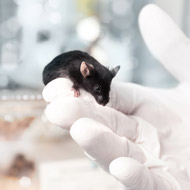
Severe procedures are defined as causing a major departure from the animal's usual state of health and well-being.
For the first time, the Home Office has released figures on the level of suffering experienced by animals used in scientific procedures.
Last year, 3.87 million procedures were completed - half of which were experimental procedures, while the remainder related to the creation/breeding of genetically altered animals.
Based on severity assessments of these procedures, 184,000 experiments were classified as severe.
Severe procedures are defined as causing a major departure from the animal's usual state of health and well-being. This would usually include long-term disease processes, where assistance with activities such as eating and drinking is required - or where there are significant and persistent deficits in behaviours or activities.
Suffering was measured in five different categories - sub-threshold, non-recovery, mild, moderate and severe.
The figures also show a 6 per cent decline in the total number of experiments. Comparisons with figures from 2013 must be approached with caution, however, as the method of collecting data has changed.
Following a new EU directive, information is collected on procedures that have been completed, rather than procedures that have started.
For more information, see: https://www.gov.uk/government/statistics/statistics-of-scientific-procedures-on-living-animals-great-britain-2014


 Eligible members of BEVA will be able to vote for their Council team until Monday, 17 August 2026. Members will have received an election email on 17 July.



