


Meat industry hits back at findings
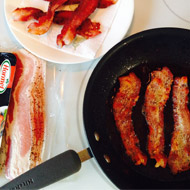
Processed meat has been classified as 'carcinogenic to humans', following a study by the International Agency of Research on Cancer (IARC), the cancer research agency of WHO.
Experts concluded that each 50 gram portion of processed meat eaten daily increases the risk of colorectal cancer by 18 per cent.
Furthermore, it said that red meat was "probably carcinogenic," but the evidence was limited.
"For an individual, the risk of developing colorectal cancer because of their consumption of processed meat remains small, but this risk increases with the amount of meat consumed," says Dr Kurt Straif, head of the IARC.
"In view of the large number of people who consumer processed meat, the global impact on cancer incidence is of public health importance."
The IARC considered over 800 studies that investigated associations of more than a dozen types of cancer with the consumption of red meat or processed meat in many countries and populations with diverse diets.
Hitting back at the findings, Robert Pickard from the Meat Advisory Panel told the Guardian that the key to preventing cancer was to avoid heavy drinking, not smoking and maintaining a healthy weight:
"Avoiding red meat in the diet is not a protective strategy against cancer. The top priorities for cancer prevention remain smoking cessation, maintenance of normal body weight and avoidance of high-alcohol intakes.
"Red meat has a valuable role within a healthy, balanced diet thanks to its high-protein content and rich nutritional composition.”
The National Farmers' Union added that the scientific and medical communities have backed red meat consumption and recommended quantities as beneficial to health.
"The NFU has always stated that eating lean red meat has an important role to play in a in a healthy balanced diet," says NFU president Meurig Raymond. "It's a traditional part of the British lifestyle and is enjoyed by most of the population."
The IARC say that the results will enable governments and international regulatory agencies to conduct risk assessments, in order to balance the risk and benefits of eating red and processed meat and to provide the best possible dietary recommendations.


 BVA has announced a new series of its Building Great Workplaces lunchtime webinars.



