


Charity issues warning over brachycephalic breeds
The number of pugs given up to Battersea Dogs and Cats Home has doubled in the past five years, leading the charity to fear that it could be due to health problems associated with the breed.
Pugs have become increasingly popular in recent years, but Battersea says numerous brachycephalic breeds, such as pugs, have been brought to its centres with life-threatening illnesses.
The charity is now warning that poor breeding practices are causing serious problems for pugs. Last year, Battersea vets operated on 20 dogs - many of them pugs - to help open their airways.
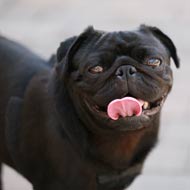
When four-year-old pug Peanut was taken to Battersea, he was hardly able to breathe and had to have surgery to correct the problem.
His ability to express normal dog behaviours was seriously restricted and even eating or going for a walk severely impacted his health.
Peanut's story was shown on last night's episode of Paul O'Grady: For the Love of Dogs.
Battersea's head vet Shaun Opperman said: "Pugs frequently have breathing problems – centuries of breeding have produced their squashed face, and what we call an over-long soft palate, restricting their nostrils and making it harder for them to breathe.
"Pugs like Peanut suffer more than their share of health problems such as breathing difficulties, eye diseases, joint disorders and skin conditions. They look cute and are amazing dogs – but in reality so many of them we see here at Battersea have medical concerns.
"It’s very distressing to see an animal in such a bad way like Peanut was. As often with these dogs, the nostrils are quite constricted so there’s no room for the air to move in.
We literally take a wedge out and open them right up. It’s always a risk doing these operations, but Peanut’s life would’ve been in danger if we didn’t do it."
Image (c) Battersea Dogs and Cats Home


 BVA has announced a new series of its Building Great Workplaces lunchtime webinars.



