


NI to introduce compulsory BVD testing
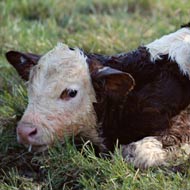
It will become compulsory for newborn calves (including stillbirths and abortions) to be tested for BVD.
Testing for bovine viral diarrhoea (BVD) virus is set to become compulsory in Northern Ireland from 1 March 2016.
The legislation will make it compulsory for new-born calves (including stillbirths and abortions) to be tested for BVD.
Announcing the news, the Irish minister for agriculture and rural development, Michelle O'Neill, said: "We have good reason to believe that through the application of this legislation, we will be taking an important step towards eradicating BVD from the herd in the north.
"That would certainly be a considerable achievement and will bring BVD compulsory testing here in line with the rest of Ireland."
Irish officials will bring forward the draft legislation on 8 December, for the consideration of the Committee for Agriculture and Rural Development. This will allow time for making any necessary operational arrangements before the law is rolled out.
It will also give herd keepers time to use up their stock of standard cattle identification tags, before purchasing the new BVD tissue sample enabled tags.
The minister said the extra cost to the herd keeper will be low but the overall industry contribution will more than £5 million over a three-year period. However, the estimated financial gains made by herd keepers in eradicating BVD are expected to outweigh the additional costs by 10 to one.
"I view this as the beginning of a new era in partnership-working between my Department and industry. For the first time Animal Health and Welfare NI (AHWNI) will lead in the implementation of the legislation relating to a production disease," Ms O'Neill added.
The news has also been welcomed by the BVA and BVA Northern Ireland. President Sean Wensley commented: "Vets and farmers have been well engaged with the process so far and keen to see it progress; the announcement for a compulsory BVD testing scheme was made more than two years ago so we are very pleased to hear this next step in its continued progress towards legislation."


 BVA has announced a new series of its Building Great Workplaces lunchtime webinars.



