


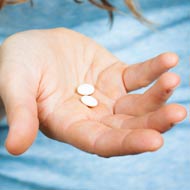
Owners self-medicating their animals to avoid vet fees
Over one million pet owners have given their animals toxic human medication - including diet pills - new research has found.
A survey conducted by More Than Insurance reveals that a staggering 1.4 million cat and dog owners in the UK have self-medicated their pets using human drugs.
The most common medicines are anti-histamines, paracetamol, antiseptic creams, ibuprofen, and aspirin.
On average owners admitted to giving their animals human medication seven times in the last 12 months.
Pet claims veterinary consultant, Andrew Moore, said: "Pet owners risk significant harm to their pet’s wellbeing by giving them medicines designed for humans with liver failure and kidney damage among a litany of potential health complications that arise from seemingly harmless over the counter products.
“Alongside medication purpose-designed for animals, as vets we may actually also use forms of human medication in the treatment of veterinary patients. However, dosing and delivery is everything, and only a veterinary professional can know the safe quantity of any medicine to administer to an animal.”
Reasons given for using human drugs were to avoid incurring vet costs, or to give their pet some form of quick pain relief. Almost 30 per cent of respondents thought that over the counter human medications were actually safe to give their animals.
Furthermore, it would seem that cats and dogs don’t need to be feeling unwell for their owners to feed them human health products. A staggering one in 20 owners admitted to giving their pets protein shakes, bars and diet pills in a bid to improve their animal’s body shape.
Twenty one per cent believed they would help their pets get in shape, while 40 per cent felt it would help their pet lose weight faster.
"Dogs and cats do need a specific amount of protein, but they need it from certain whole food sources, such as meat,” said Andrew. “Protein shakes and bars contain sources of protein that are not found in nature and are potentially inappropriate for animals.
“Cats and dogs have different dietary requirements and therefore may respond poorly to being fed artificial protein and other exercise supplements. It goes without saying that diet pills and certain vitamins that are intended for human consumption shouldn’t be given to a pet, but even seemingly innocuous health products, like protein powder, should also be given a wide berth when it comes to a pet’s nutrition.”


 BVA has announced a new series of its Building Great Workplaces lunchtime webinars.



