


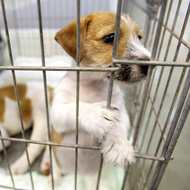
Westminster debate underlines the scale of the problem
A parliamentary debate on the welfare of puppies bred for sale saw MPs call for action to address the growing problem of illegal puppy imports and internet sales.
Scottish National Party MP Lisa Cameron said: "We claim to be a nation of animal lovers; it is time that we walked the walk, because at this moment - today and tomorrow - puppies are being maltreated in this country by rogue breeders, traffickers and traders. We must put a stop to it."
There were calls for a UK-wide collaboration to deliver change. Recommendations included a public awareness campaign to educate the public on how to source a puppy responsibly; a ban on pet shop sales; a ban on the sale of puppies under eight weeks old and training and increased resources for local authorities to improve monitoring and enforcement of the law.
Dr Cameron also said a national database of puppy sellers is needed to enforce the law and check welfare conditions. Internet sellers should also be required to display a licence number so the puppy journey can be traced. There were also calls to reduce the threshold for a breeding license.
One of the key concerns to come out of the debate, however, was the illegal importation and trafficking of puppies into the UK.
The discussions underlined the scale of the UK's problem, with puppies entering the country with no microchip, health certificates or rabies vaccinations, posing a threat to public health as well as animal welfare.
Such pups are often left with health and behavioural problems, sometimes resulting in them being euthanised or given up to rescue centres. One puppy recently seized in Kent and taken in by the Dogs Trust required around £5,000 worth of veterinary treatment.
In order to tackle this issue, intelligence must be shared by key agencies across the EU, MPs said. Better enforcement and harsher penalties are needed to act as a deterrent - on-the-spot fines or fixed penalty notices were among the suggestions.
Visual checks of all dogs entering the UK must also become routine. Currently, enforcement of the Pet Travel Scheme is left to carriers, ferry companies and the Eurotunnel to enforce and there is no obligation for carriers to do a sight check.
Other MPs called for a crackdown on vets who supply fake passports, by working with the veterinary regulatory authorities in the relevant countries.
As well as animal welfare, public health concerns were raised - namely, the risk of rabies or echinococcosis being brought to the UK. Echinococcosis is transmitted by a type of tapeworm that is increasing in range and number across the continent.
Responding to the discussions, Defra's minister of state, George Eustice, said the government is proposing to ban the sale of puppies under the age of eight weeks, as a loophole in the law currently allows pet shops to microchip and transfer ownership of puppies before they are eight weeks old.
Additionally, the government is looking to clarify that internet traders require a pet shop license, whether or not they have a shop. A condition will also be added to put it "beyond doubt" that anyone breeding more than three litters a year must have a licence.
Another possibility under consideration is a licensing system accredited by the UK Accreditation Service (UKAS). Responsible breeders who sign up to the system (such as Kennel Club assured breeders) would be exempt from the licence requirement. It is thought this could free up resources, helping local authorities to pursue those who are currently off the licensing system.
On the subject of illegal imports, Mr Eustice said he is considering whether more random inspections could be done, making use of thermal imaging and tracking vehicles linked to the trade. A public consultation being run on the regulations around dog breeding and pet sales will close at midnight tonight.
*Correction: An earlier version of this story incorrectly attributed the initial quote to Labour MP Angela Smith. The quote was made by SNP MP Dr Lisa Cameron.


 BVA has announced a new series of its Building Great Workplaces lunchtime webinars.



