


FSA aims to cut campylobacter cases by 100,000
"The ultimate test to show whether our campaign is working is to see whether fewer people get ill."
The Food Standards Agency (FSA) has set an ambitious target to cut the number of human campylobacter cases by 100,000 a year.
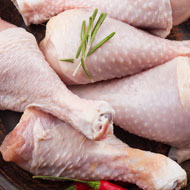
A year-long survey by the watchdog has measured the amount of campylobacter present on shop bought chickens.
The results from the second quarter, published in February, showed 11 per cent of chickens tested positive for the highest level of contamination, which was down from 19 per cent in October-December 2014. While this is good news, the FSA says prevalence is still too high.
Director of policy Steve Wearne, said: "Tackling campylobacter remains our number one priority. The ultimate test to show whether our campaign is working is to see whether fewer people get ill.
"That’s why we want to see 100,000 fewer cases of campylobacter each year from the end of March 2017. So there’s no let up for industry: we want to see continuing efforts to reduce this bug on our chickens."
The FSA has temporarily suspended its survey due to problems with sampling. So far, the method has been to test the amount of the bug on the neck skin of the chicken, as this is generally the most contaminated part of the bird.
But increasingly, processors are removing the neck skin before birds are put on supermarket shelves. While this is good news for the consumer, as it reduces the amount of campylobacter on the bird, it makes it difficult for the FSA to compare retailers fairly and to give accurate comparisons with previous survey results.
The agency is considering a number of possibilities for its future testing protocols to give a clear indication of progress. Long term, the industry will be asked to conduct its own testing and to publish results to a set of standards created and maintained by the FSA.

 BVA has announced a new series of its Building Great Workplaces lunchtime webinars.



