


Pirbright identifies safe AHS vaccine
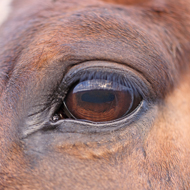
In susceptible horse populations, African horse sickness (AHS) causes up to 90 per cent mortality.
Pirbright scientists say they have come up with a safe and effective vaccine for African horse sickness virus (AHSV), one of the deadliest viruses affecting horses.
In susceptible horse populations, African horse sickness (AHS) causes up to 90 per cent mortality, resulting in massive economic losses for the owners of working horses and the equine industry. AHS is endemic in central and sub-Saharan Africa, but serious outbreaks have also occurred in the Middle East, India, Pakistan, Spain, Portugal and Morocco.
Vaccines that use live attenuated virus are currently available in countries such as South Africa, where the virus persists. But these are not deemed safe enough to use in countries where the virus is not present, including in the EU.
Scientists from the Pirbright Institute, however, say they have developed a modern recombinant vaccine strategy. It uses modified Vaccinia Ankara virus - which is harmless to horses - to carry and deliver the gene that makes the molecule that induces protection against AHS.
The vaccine has been successfully tested in a mouse model developed by the institute and has also been tested in horses. Researchers say it has the potential to protect against all nine AHSV serotypes. Currently, it can be effective against six of the nine and the team are working to develop a complete set of vaccines against all nine strains.
Lead scientist, Dr Javier Castillo-Olivares, highlighted the problems that arise when AHSV vaccines based on the whole virus particle are applied systematically to a horse population. This makes it "very difficult to tell if a horse has been vaccinated or has been infected with AHSV".
"Our approach is not only safe and relatively quick to produce, but crucially enables horses which are vaccinated to be differentiated from those that are infected - something which is vital in an outbreak situation, especially if this outbreak occurs in a non-endemic country."
The institute now needs to build a business case to encourage a manufacturer to develop and bring the vaccine to market. The perceived market for this vaccine is relatively small and, as a result, Pirbright says few manufacturers are currently interesting in producing it.
The World Organisation for Animal Health (OIE) is strongly recommending that manufacturers consider the benefits of this vaccination strategy and has provided funding for three projects on AHS, which the Pirbright Institute will complete and report on by March 2017.
"What remains is for us to demonstrate that such a vaccine would be commercially viable and successful…" Dr Castillo-Olivares added. "This would protect thousands of horses and other equids living in endemic countries, and could enable the safe movement of animals to and from such areas; saving owners of working and sport horses, as well as the wider equine industry, from the economic losses they currently suffer as a result of AHS."

 BVA has announced a new series of its Building Great Workplaces lunchtime webinars.



