


Novel virus linked to mystery beak disorder
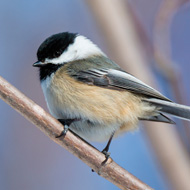
AKD was first detected in black-capped chickadees in south-central Alaska during the 1990s and since then it appears to have spread to Canada and the Pacific Northwest.
A newly discovered virus could be behind avian keratin disorder (AKD), a mysterious beak disease that is spreading across the US, scientists say.
AKD is an often fatal disease in wild birds around the world. It is responsible for debilitating beak overgrowth and deformities, which prevents them from feeding and preening. But despite more than a decade of research, scientists have failed to uncover what causes it.
New research published in the journal mBio, however, suggests the culprit could be a previously unknown virus discovered in Alaska and the Pacific Northwest.
US scientists took tissue samples from sick and healthy birds and used advanced techniques to identify the novel virus, which belongs to the picornavirus family, a large group that includes polio, hepatitis A and the common cold.
The virus, which has been named Poecivirus, was detected in every black-capped chickadee with AKD that researchers tested. It was also found in red-breasted nuthatches and northwestern crows with beak deformities.
Lead author Maxine Zylberberg, from the University of California San Francisco, said: "More work is needed to determine if Poecivirus is causing AKD, but the evidence suggests that it is a strong candidate."
AKD was first detected in black-capped chickadees in south-central Alaska during the 1990s and since then it appears to have spread to Canada and the Pacific Northwest. Similar signs have also been reported in a number of species across the other 48 states, as well as in Europe and Asia. As well as chickadees, it most commonly affects nuthatches, woodpeckers, crows, jays and other members of the crow family.
Co-author Jack Dumbacher said: "Take one look at a bird suffering from avian keratin disorder and you'll understand the importance of stopping its spread. Birds must be able to feed themselves and preen their plumage by carefully spreading waterproofing oils on their feathers. When deformed beaks restrict them from these life-giving activities, birds become cold, hungry and often die.
"We're trying to understand the causes, origins and distribution of this disorder."
The next step is to find out how AKD is transmitted, confirm whether Poecivirus is responsible and understand how the disease causes beak deformity. Meanwhile, birdwatchers also have an important role, as they may be able to observe the signs of AKD in the wild and document it through photography.

 BVA has announced a new series of its Building Great Workplaces lunchtime webinars.



