


Campaign calls for clear food labelling
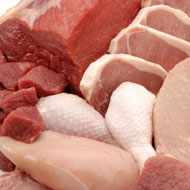
The majority of European consumers are confused by current labelling which often does not allow them to gauge animal welfare standards.
The BVA is calling for meat and dairy products to be labelled with the method of production, as this would give UK farmers a unique selling point after Brexit.
BVA has added its voice to the Labelling Matters campaign, which is calling for mandatory food labelling to help consumers answer simple questions about their food, such as: "How was this animal kept?" and "Did this animal die a humane death?".
Research shows that consumers in the UK and across Europe want clearer food labelling to include information about welfare.
According to one study commissioned by Labelling Matters, the majority of European consumers are confused by current labelling which often does not allow them to gauge animal welfare standards. In addition, 80 per cent of EU consumers want the labelling to show which farm system was used to produce meat and dairy products.
Another study of 13,500 meat consumers across 27 EU member states revealed 72 per cent wanted information about the stunning of animals before slaughter when they buy their meat.
There is already a legal requirement to label shell eggs with the method of production. Packaging must state whether they are 'eggs from caged hens', 'barn eggs', 'free range' or 'organic'.
The Labelling Matters campaign wants to see this extended to meat and dairy products from other animals too. A key part of the campaign is that clear labelling must be underpinned by robust welfare outcome safeguards, with on-farm assessments to ensure high standards of welfare.
BVA president Sean Wensley commented: "Mandatory method of production labelling makes sense on a number of fronts: consumers can be clearly and consistently informed about how the animals reared for their meat and dairy products were kept, with on-farm welfare assessments assuring high standards.
"Mandatory method of production labelling would give unambiguous information to the high numbers of consumers who care about animal welfare when buying meat and dairy products and help ensure market support for British farmers who pride themselves on achieving the highest welfare standards."


 BVA has announced a new series of its Building Great Workplaces lunchtime webinars.



