


Mixed views on Scottish animal welfare laws
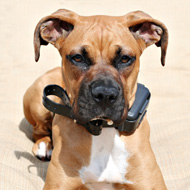
Under new rules announced this week, electric pulse, sonic and spray collars will be banned in Scotland, unless under the guidance of an approved trainer or vet.
New animal welfare legislation in Scotland has been met with mixed views. While the country is 'leading the way' with its bill to ban wild animals in circuses, the BVA is disappointed over what it says are retrograde steps for dog welfare.
This week the Scottish government announced it would become the first nation in the UK to ban wild animals in travelling circuses. A bill will be introduced in May next year and implemented in 2018.
BVA president Gudrun Ravetz commented: "Scotland has shown the rest of the UK the way in acting meaningfully through legislation to end animal suffering and improve the welfare of these animals. While a great number of animals may not be affected, this ban goes to the heart of how we think about and treat animals in the world today.
"We will be urging other UK governments to follow this vital lead."
However, the organisation says it is saddened by new legislation on dog welfare in Scotland. Under new rules announced this week, electric pulse, sonic and spray collars will be banned in Scotland, unless under the guidance of an approved trainer or vet.
While the legislation has been cautiously welcomed by the BVA, it does not go far enough. Grace Webster, president of the BVA Scottish branch said electronic training devices have a negative, painful effect on dogs and can cause unnecessary suffering.
"We know from our own consultation with leading veterinary behaviourists that using fear as a training tool is less effective than positive reinforcement and can instead take a toll on the dog’s overall welfare. We have grave concerns over how enforceability will work without an outright ban.
"We hoped that today’s announcement would put a complete stop to the use of these training methods, however it is a small step forward and we will continue to lobby the government to further their legislation."
Scotland also revealed an overturn of the complete ban on tail docking. Going forward, working spaniels and hunt point retrievers will be able to have a third of their tail removed in order to prevent tail damage in later life.
BVA believes docking causing puppies unnecessary pain and deprives them of a vital form of canine expression.
Gudrun Ravetz said: "After the clear leadership the Scottish Government has shown on tail docking, we are saddened at the decision to reverse its stance. BVA has carefully considered all the evidence and remains convinced that tail docking in dogs is detrimental to animal welfare."


 BVA has announced a new series of its Building Great Workplaces lunchtime webinars.



