


Wild boar numbers 'posing a threat to UK pigs'
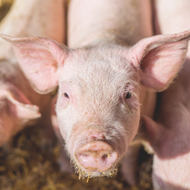
"We need to be mindful that in Eastern Europe wild boar have been integral in the spread of the deadly African swine fever (ASF) virus."
Soaring populations of feral wild boar in the Forest of Dean could pose a disease threat to the UK's pigs, according to the National Pig Association (NPA). The organisation is calling for more effective control methods to address the problem.
A survey by the Forestry Commission's research agency this year estimates 1,562 feral wild boar were roaming the forest, compared to 1,018 in 2015. The hike in numbers occurred despite a cull of more than 400 animals. The Deer Initiative, which manages wild deer populations in England and Wales, claims the population could reach 10,000 by 2020 unless action is taken.
NPA chief executive Zoe Davies said feral wild boar pose a "very genuine threat" to the British pig industry.
"These pigs are gaining access to waste food when they root around in household bins and at picnic sites. We need to be mindful that in Eastern Europe wild boar have been integral in the spread of the deadly African swine fever (ASF) virus.
"If an exotic disease like ASF got into the UK's wild boar population, it would become almost impossible to prove that the disease had been stamped out."
Dr Davies said this would destroy the export market, which is worth £350 million a year, with devastating consequences for the pig industry. Local businesses and tourism would also suffer from area restrictions, she added.
"We only need to look back to the last foot-and-mouth disease outbreak to know exactly what impact this can have on local communities."
While the Forestry Commission will cull wild boar again this year, NPA has concerns that local resources are stretched. Together with the Deer Initiative, the organisation will host a wild boar summit in January 2017 to discuss solutions to the problem.
Dr Davies explained: "We want to highlight to MPs and bodies like Natural England, Defra and the Forestry Commission the wider implications of further feral wild boar population growth on the pig industry, as well as the wider impact on local communities."
Co-ordinated action is needed, she added: "Defra believes that wild boar control should be the responsibility of the landowner. We are therefore calling for Defra to put pressure on the Forestry Commission, as responsible landowner of a significant proportion of the Forest of Dean, to carry out an efficient cull that is properly resourced."


 BVA has announced a new series of its Building Great Workplaces lunchtime webinars.



