


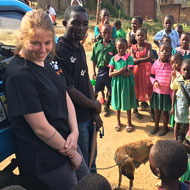
Bursary now available for three volunteering trips
The Worldwide Veterinary Service (WVS) is now offering a bursary for veterinary nurses who wish to volunteer their time and skills on an international project.
Bursaries are available to veterinary nurses who wish to go on a WVS volunteering trip. Three projects are currently available: dog shelter/clinic at WVS Thailand; sterilisation/clinic at Boon Lott in Thailand; and sterilisation campaign in Blantyre, Malawi. More trips will be added at a later date.
The WVS Care for Dogs shelter, based in northern Thailand, aims to support the mass sterilisation programme currently underway and to provide emergency and long-term veterinary care for abandoned, abused and injured dogs. Shelter staff also work tirelessly to find good local homes for stray dogs.
The project in Blantyre offers veterinary help and advice to the local and rural communities, as well as caring for sick and injured animals, working with the police to prevent illegal animal vending, animal welfare lobbying and educating the general public.
Successful applicants will be able to experience one of these trips without worrying about the cost. Those awarded a bursary will be required to write a daily blog of their experiences, including photos. They will also need to write a report on the trip, including case studies of the animals they have helped to treat.
Applicants are required to give a synopsis of any charity/fundraising work they have already undertaken, and state other methods of fundraising they have considered for their WVS trip.
In addition, they should explain what difference they feel they could make on the project, what they would gain from volunteering with WVS and how the positive outcomes they will gain from it (including the impact on day-to-day work in practice).
Applicants should be in full or part-time employment as a veterinary nurse in a UK or European veterinary practice and hold a recognised veterinary nursing certificate. A high level of current practical experience and confidence dealing with large numbers of animals on a daily basis is also required.
For further information visit: wvs.org.uk/news/calling-all-vet-nurses, or to apply, email: chris@wvs.org.uk
Image courtesy of WVS


 Eligible members of BEVA will be able to vote for their Council team until Monday, 17 August 2026. Members will have received an election email on 17 July.



