


Basset hound reclassified as 'category two' breed
The reclassification will be reviewed in 12 months and in the meantime the breed's progress will continue to be monitored by the Kennel Club.
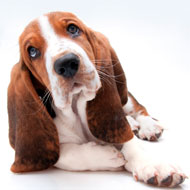
The basset hound has been reclassified as a category two breed under the Kennel Club's Breed Watch scheme, which acts as a warning system for health concerns in individual dog breeds. Previously, basset hounds came under category three - a list of the breeds with the most serious identified conformational problems.
Taking effect on 1 January 2017, the reclassification means basset hounds who win 'best of breed' or their third challenge certificate will no longer require a veterinary health check at championship shows. The move follows a recommendation from the Kennel Club's Dog Health Group, which has been following the health of the breed.
This breed is the fourth to be removed from category three, leaving 11 breeds on the list.
Breed health co-ordinator Tina Watkins commented: "The Basset Hound Health Group is committed to working on the health of the breed, supporting research and health education. We are encouraged that these efforts have been recognised. The real work begins now and I am sure this will continue with the dedication developed within the breed to progress."
Kennel Club secretary, Caroline Kisko added: "We would like to commend the dedication, passion and commitment of those basset hound owners and exhibitors who have participated in the Basset Hound Health Scheme and other health testing.
"The basset hound clubs and their health group have worked hard to ensure their community have been involved in all health initiatives undertaken by the breed."
The reclassification will be reviewed in 12 months and in the meantime the breed's progress will continue to be monitored by the Kennel Club. The breed health co-ordinator will still be required to to submit a comprehensive annual report on the breed's health and judges must continue to submit mandatory health monitoring forms after each championship appointment.
The Kennel Club will also work with breed representatives on the development of the breed health and conservation plans.


 BVA has announced a new series of its Building Great Workplaces lunchtime webinars.



