


Defra provides update on H5N8
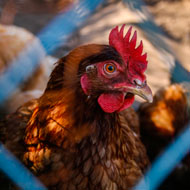
Defra warns that in cold weather the virus will continue to be infectious in water and on some surfaces.
Avian influenza H5N8 is continuing to cause outbreaks in Europe and further afield, Defra confirmed in its latest outbreak assessment.
Outbreaks are still being seen in Bulgaria, France, Netherlands, Germany, Poland and Hungary. Meanwhile Israel is reporting more cases in wild birds and South Korea, Japan and Taiwan have reported outbreaks.
Given the virus's geographic spread across Europe, Asia and west Africa, Defra says 'we should expect this virus to remain an issue and pose a continuing risk to our poultry sector for a considerable time'.
In the UK this month, H5N8 has been detected on a Lincolnshire turkey farm, in wild birds in west Wales, Rutland and Somerset, and in a peregrine falcon in Dumfries. Defra says there is no indication that the virus has spread from the farm in Lincolnshire.
The risk level for the UK is 'high' for an incursion of an infected wild bird, and 'low to medium' for poultry on individual premises, depending on the level of biosecurity. A ban on gatherings of certain poultry and captive bird species remains in place, as does a prevention zone across Great Britain, requiring poultry to be housed or separated from wild birds.
Defra warns that in cold weather the virus will continue to be infectious in water and on some surfaces, so regular disinfection is important. Additionally, housing alone will not be sufficient to reduce the risk of notifiable avian disease being introduced to farms. Personal biosecurity is key, as environmental contamination presents a significant hazard, particularly if wild waterfowl or gulls have regular access to the site or contaminate the area around houses.
The European Food Safety Authority has produced a scientific opinion on measures that should be taken around wild bird findings.
Defra is asking members of the public to use its helpline, 03459 33 55 77 to report findings of dead wild birds.


 BVA has announced a new series of its Building Great Workplaces lunchtime webinars.



