


Farmers respond to Prime Minister’s Brexit speech
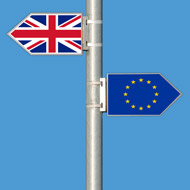
The NFU are now seeking urgent talks with the government on how a post-Brexit Britain could work for Britain’s food production.
Farming organisations have responded to Theresa May’s Brexit speech, which outlines plans for the UK to leave the single market.
Speaking on Tuesday, the Prime Minister also ruled out the UK’s continuing participation in the European Single Market or the EU Customs Union - instead stating her intention to pursue a free trade agreement with the EU.
In a statement, the National Farmer’s Union (NFU) said it welcomed Mrs May’s acknowledgement that access to a reliable workforce from overseas is vital for many British industries.
But they added that it would be vital that there are appropriate phased agreements to avoid a disruptive cliff-edge to allow British farmers to adapt.
The organisation are now seeking urgent talks with the government on how a post-Brexit Britain could work for Britain’s food production and for detailed commitments a suitable transition period.
‘We continue to urge the Prime Minister to ensure that British farming has a profitable, production and resilient future post-Brexit and that a post-Brexit Britain truly does work for everyone,” they said.
Ross Murray of the Country, Land and Business Association (CLA) also responded to the Prime Minister’s speech, stating that the organisation backs Mrs May’s plan.
“Our aim must be to retain tariff-free access for all products and all parts of the agrifood supply chain. We will continue to provide whatever support we can to help in securing this vital outcome,” he said.
“We are more cautious about the consequences of new trade deals with other countries and markets. We understand and support the principle that post-Brexit, the Government will pursue a range of trade agreements that can bring benefits to the UK economy as a whole.
“However, we will urge the Government to consider closely the balance of opportunity and risk for the agri-food sector that is specific to each and every potential deal available to the UK post-Brexit”.


 BVA has announced a new series of its Building Great Workplaces lunchtime webinars.



