
Your data on MRCVSonline
The nature of the services provided by Vision Media means that we might obtain certain information about you.
Please read our Data Protection and Privacy Policy for details.

In addition, (with your consent) some parts of our website may store a 'cookie' in your browser for the purposes of
functionality or performance monitoring.
Click here to manage your settings.
If you would like to forward this story on to a friend, simply fill in the form below and click send.

Your friend's email:
Your email:
Your name:
 
 
Send Cancel

Survey reveals top things vets wished all pet owners knew
More than one in five veterinary professionals said the top thing they wished they wished their client knew about their pet was diet related.

Findings kick-start National Pet Month

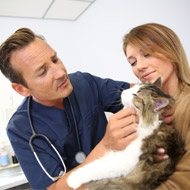
A new survey of vets and nurses across the UK has revealed the most frequent things veterinary professionals wished all pet owners knew.

Coming in at number one is recognising when a pet is overweight. More than one in five veterinary professionals said the top thing they wished they wished their client knew about their pet was diet related.

Suggestions ranged from considering “Am I feeding them the right food?” to “Pets need a lot less food than we think!”

More than 500 vets and nurses took part in the survey, which was conducted by the Veterinary Animal Welfare Coalition. Made up of leading veterinary organisations and vet-led charities, the Coalition aims to help pet owners better understand their pets’ five welfare needs.

Covering a wide variety of pet care issues, the answers fell in a variety of different themes. Topping the list of things veterinary professionals wished all pet owners knew are:

  • How to recognise when your animal is overweight
  • That flat-faced breeds suffer lots of health and welfare issues
  • How to recognise signs that your animal is in pain
  • You have a responsibility to care for your pet properly and follow the five animal welfare needs
  • That your veterinary team is the best place to go to for advice on all areas of pet care, including what may be the most suitable pet for you
“Every owner loves their pet; however, the vet team often see animals with problems that could be avoided,” commented Gudrun Ravetz, president of the BVA. “Vets and vet nurses are invaluable sources for pet care information with years of training and experience under their belts, and will be more than happy to answer any queries or concerns owners may have about their pets.”

Throughout National Pet Month (1 April - 1 May 2017), the Veterinary Animal Welfare Coalition - The BVA, BVNA, BSAVA. BVZS, Blue Cross, PDSA and RSPCA - will be tweeting the various things vets and nurses wish owners knew with the hashtag #Wewishyouknew.

“People bring their pets to the veterinary practice when they are sick, however, what they also do not realise is that the Veterinary team can also provide a lot of advice for keeping pets healthy too,” said Samantha Morgan, president of the BVNA. 
“From diet and exercise to flea and worming treatments, veterinary nurses and veterinary surgeons have the knowledge to keep pets happy.”


Become a member or log in to add this story to your CPD history

Vets launch new podcast for pet owners

News Story 1
 Two independent vets have launched a podcast to help owners strengthen their bond with pets. Dr Maggie Roberts and Dr Vanessa Howie, who have worked in both veterinary practice and major charities, are keen to use their experience to enable people to give pets a better life.

The venture, called Vets Talking Pets, provides advice and information on a range of topics, including how to select a suitable pet, where to obtain them and how to get the best out of your vet. Maggie and Vanessa will also discuss sensitive subjects, including end-of-life care, raw food diets and the cost of veterinary care.

The podcast can be found on all the usual podcast sites, including Podbean, Apple, Amazon Music and YouTube. 

Click here for more...
News Shorts
VMD issues guidance on AVM-GSL packaging

The Veterinary Medicines Directorate (VMD) has shared advice on its requirements for medicines considered AVM-GSL.

The guidance explains the information that should be on the outer package, and sets out the typical maximum pack size for an AVM-GSL product. It also describes the user-friendly language, structure and phrases required on packaging and product leaflets.

AVM-GSL products do not require discussion between the purchaser and a veterinary professional. This means that clear product information is needed to support sales choices.

The information will be useful for submitting new products to the AVM-GSL category and lowering the distribution category of products from NFA-VPS to AVM-GSL.

The VMD's guidance can be accessed here.

