


FVE calls for tougher slaughterhouse controls
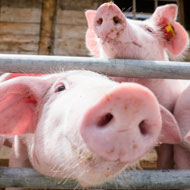
Ongoing competition for low food prices is having a detrimental impact on the way in which animals are kept and treated, FVE warned.
The Federation of Veterinarians of Europe (FVE) is calling for tougher controls on slaughterhouses following reports of serious abuse of pigs at a Belgian slaughterhouse.
Such cases of severe, apparently repeated animal cruelty are ‘totally unacceptable’ but unfortunately ‘not unique’, the organisation said in a statement. FVE believes such cases of animal cruelty are likely to be the consequence of ‘a serious failure in the system, with weaknesses at all levels of the chain of responsibility’.
It also said it wished to point out the ‘difficult situation’ faced by many Official Veterinarians working in slaughterhouses.
‘Too often we receive signals that they are under pressure and insufficiently supported by the responsible hierarchy. We also receive reports that physically they are often not able to inspect the many places that need to be controlled.’
The authorities and institutions responsible for inspection and control need to re-think the way in which they deliver their responsibilities, FVE added, as it reiterated its concerns about the ongoing trend for reducing the number of controls of OVs.
‘Handing over crucial inspection tasks - such as checking the health and welfare of the animals before slaughtering - from the independent Official Veterinarian to slaughterhouse personnel - will put at risk animal health and welfare and consequently consumers’ protection throughout Europe.’
Retailers and consumers must also understand that food prices should be realistic; ongoing competition for low prices is having a detrimental impact on the way in which animals are kept and treated, FVE warned. This can compromise the safety of meat products and lead to food fraud. FVE called for more emphasis on quality, including animal welfare, and stressed that raising awareness, promoting good practice and setting standards are crucial.
In addition, the federation believes there is an urgent need for awareness, training and engagement among all those involved in the transportation and slaughter of animals.
‘At every stage in the process the animals must be considered and treated as sentient beings, able to appreciate fear, to feel pain and to suffer. They shall never be treated as objects without feelings.’
FVE called on the EU and Member States authorities and private parties:
- To increase the supervision and the enforcement of Official Controls along the
- whole of the food chain. Derogations shall not be allowed;
- To improve the treatment of animals destined for slaughter and food safety;
- To encourage a higher priority in both the private and public sectors to improve
- their performance and responsibilities.

 BVA has announced a new series of its Building Great Workplaces lunchtime webinars.



