


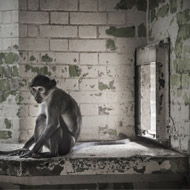
Charity believes change is ‘long overdue’
In light of the tragic death of Rosa King at Hamerton Zoo Park, Born Free is calling for a re-evaluation of the zoo licensing and inspection process in the UK.
In a statement, the charity said that the tragic news is ‘hauntingly reminiscent’ of the death of a keeper at South Lakes Safari Zoo four years ago. They add that the incident further highlights not only the dangers involved with keeping wild animals in captivity, but possible shortfalls in the current zoo licensing regime.
In recent months, media reports have highlighted several incidents involving significant animal welfare and human safety concerns in zoos. They include gates to large animal enclosures being held shut with stones, a peacock that died of starvation after being put in isolation, and the death of a caiman after being left outdoors all winter.
“This is just a snapshot of the zoo industry: our knowledge is that similar problems are widespread and under-reported,” commented Chris Draper, associate director for animal welfare & care at Born Free. “We need a robust system of licensing and inspection of zoos - as a minimum - to try to prevent such appalling incidents from occurring in the future.”
Under the current system, part-time inspectors appointed by the government may visit a zoo every three or four years. The inspectors report their findings to the Local Authority, which issues zoo operating licences. It is then up to that authority to ensure the zoo acts on any requirements and recommendations the inspectors made.
Born Free is concerned that Local Authorities vastly differ in their understanding and application of the relevant zoo legislation and worries that sanctions for non-compliance are limited and infrequently applied. It believes the only way of introducing consistency and rigour into the process is to review the current process in the UK and consider several changes.
“This situation is, frankly, unacceptable and change is long overdue,” Mr Draper continued. “The zoo industry would have us believe that the solution lies in increased self-regulation. It is abundantly clear that this would be inappropriate, and Born Free is calling for an urgent re-evaluation of the zoo licensing and inspection process in the UK, including the establishment of a full-time, truly independent zoo Inspectorate to undertake more frequent inspections.”
Will Travers OBE, president and co-founder of Born Free, added the situation at South Lakes Safari Zoo ‘seems to sum up what is wrong with Zoos’.
“Not only were there the appalling reports of animal deaths and dreadful conditions at the zoo, but now a slightly-amended management team has received a licence to continue to operate the zoo," he said.
"It is clear that the problems at the zoo developed - to all intents and purposes unchecked - over a very long period, and yet Barrow Borough Council now considers the undisclosed reassurances it has received from the new management team sufficient to ensure the safety of the animals, staff and visitors.
“I am deeply concerned and believe that an independent review of the zoo licensing system is urgently needed.”

 BVA has announced a new series of its Building Great Workplaces lunchtime webinars.



