


RUMA announces timetable for antibiotic targets
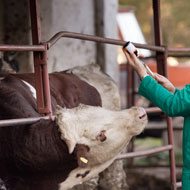
Following the O’Neill Review on Antimicrobial Resistance, the UK Government challenged UK agriculture to reduce average antibiotic use by around 20 per cent.
Livestock sectors will have until the end of September this year to finalise their objectives for targets relating to antibiotic use, the RUMA Targets Task Force has announced.
The task force was set up last year to identify meaningful objectives to reduce, refine or replace antibiotics in all UK livestock markets. Its members are currently consulting with specialists and organisations within their sectors to finalise draft proposals by the end of June.
Initial feedback on the proposals will be provided by the Veterinary Medicines Directorate (VMD), who will confirm whether or not the proposals meet government expectations for targets, timescales and rationale. It will also be important to ensure these measures do not impact animal health and welfare.
Once the feedback has been received, livestock sectors have until September to finalise their objectives, which will be then be compiled into a report to be published at the RUMA Conference on 27 October.
Following the O’Neill Review on Antimicrobial Resistance, the UK Government challenged UK agriculture to reduce average antibiotic use by around 20 per cent, to 50mg/kg by 2018. However, the government wants the industry to develop its own sector-specific targets, to be confirmed by the end of 2017, according to RUMA chair Gwyn Jones.
“The challenge in every sector is very different according to structure, number of producers and the way it engages with the market,” he said. “Some have already made significant strides in reducing and refining use, others have further to go. But the Government is clear that every sector is expected to act and have a set of measurable objectives in place by the end of the year.”
Mr Jones noted there was a 10 per cent reduction in antibiotic sales for food producing animals between 2014 and 2015. The pig sector also recently announced the use of in-feed antibiotics for young pigs had halved, in addition to a 70 per cent reduction in the use of colistin.
“Despite this, we all understand the message that we must further reduce antibiotic use where it’s possible to do so without impacting animal welfare,” he added.


 BVA has announced a new series of its Building Great Workplaces lunchtime webinars.



