


Government warns of African swine fever risk
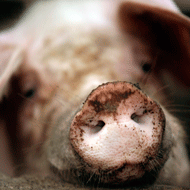
Outbreaks of the disease in Europe have been attributed to pigs consuming contaminated pork or pork products.
The government has issued a reminder to pig keepers not to feed their pigs kitchen scraps due to the risk of African swine fever (ASF).
The warning comes months after the risk level of ASF entering the UK was raised following the spread of the disease in Eastern and Central Europe.
Some of the outbreaks of the disease in Europe have been attributed to wild boar or domestic pigs consuming contaminated pork or pork products. As such, keepers are being reminded that it is illegal to feed catering or domestic food waste to farm animals in the UK.
There has never been a case of ASF in the UK. But if the disease was to reach British shores, it could have a devastating effect. Besides having an enormous impact on the UK’s export market, it would also mean the humane culling of pigs on infected farms to prevent further spread.
Defra states that strict hygiene measures are essential in preventing disease. 'People should not take meat or meat products into areas where pigs are kept and should only eat food in designated areas such as staff rooms or the farm kitchen', it said in a statement. 'Pig keepers, farm staff and anyone in contact with pigs should wash their hands before and after eating or preparing food'.
Chief veterinary officer Nigel Gibbens commented: “The introduction of African swine fever would have an enormous impact on our pig industry. No matter how many pigs you keep, you need to be aware of the potential consequences of feeding waste food to your animals. Not only is it illegal, but you run the risk of spreading disease which could be fatal to your livestock.
“You can purchase a range of pig foods from your local agricultural merchant that can be safely fed to your pigs and which is the most reliable way of giving them a balanced diet. Good biosecurity is also essential for minimising disease risk, such as providing dedicated clothing and boots for workers and preventing vehicles which may be contaminated from entering pig premises.”
Chief executive of the National Pig Association, Dr Zoe Davies, added: “The health of our pigs is fundamentally important to our sector. A notifiable disease outbreak would not only needlessly result in the loss of many pigs and annihilate our burgeoning export market, but would significantly impact on countless families, their staff, local businesses and tourism for months. Feeding illegal food waste, however harmless it might seem at the time, is just not worth the risk.”

 BVA has announced a new series of its Building Great Workplaces lunchtime webinars.



