


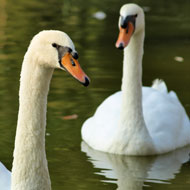
Virus closely related to European strain
Defra has confirmed that avian influenza has been detected in 17 wild birds in Dorset.
It is the first confirmed finding of the virus in the UK this winter and tests show that it is closely related to the H5N6 strain that has been circulating in wild birds across Europe.
“This is the first time avian flu has been identified in the UK this winter and while the disease does not represent a threat to the public, it is highly infectious and deadly to birds,” said chief veterinary offer Nigel Gibbens .
“As the virus has been circulating across Europe, this finding has not come as a surprise. But it is vital that anyone who keeps birds - whether a few in a back garden or thousands on a farm - is vigilant for any signs of disease, reports suspect disease to APHA and maintains good biosecurity to reduce the risk of their birds becoming infected.”
There is no legislative requirement to put restrictions in place when this strain of virus is found in wild birds. However, the chief vet has confirmed that local measures will be introduced to help manage the potential threat.
In Dorset, a local ‘avian influenza prevention zone’ will be introduced where the diseased birds were found. This means that birds keepers must put in place enhanced biosecurity measures, such as feeding and watering birds indoors.
Defra states that there are no plans to undertake any culls or introduce movement restrictions. It adds that the risk to domestic poultry remains low, but bird keepers are reminded to follow biosecurity advice on gov.uk.
BVA president John Fishwick responded: “I’d encourage vets to reassure their clients that this strain of Avian Influenza poses a very low risk to public health and the food chain. Defra have acted swiftly to try and contain further spread of the disease, which has likely come from migratory birds, yet vets and poultry owners should remain vigilant for signs of the disease.”
British Veterinary Poultry Association (BVPA) president Phil Hammond added: “It’s really important that all bird keepers heed biosecurity advice issued by Defra, and maintain the highest biosecurity standards. Any suspicion of Avian Influenza should be reported to the APHA as soon as possible.”

 BVA has announced a new series of its Building Great Workplaces lunchtime webinars.



