


Denmark to build a fence to keep out ASF
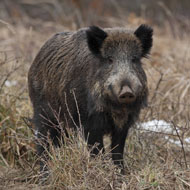
“A fence will keep potentially infected wild boars from crossing the border."
Denmark is set to build a 70km fence along the border with Germany to reduce the risk of African swine fever (ASF) reaching the country’s pig herds.
An outbreak of ASF would prompt an immediate shutdown of all exports to third countries, worth DKK 11 billion (£1.29 billion). Pig exports to other EU member states would not be affected, except for exports from the affected part of Denmark.
“A fence will keep potentially infected wild boars from crossing the border and make it easier for hunters to eradicate wild boars from Denmark,” said Esben Lunde Larsen, Danish minister for environment and food.
The fence will require new legislation and is expected to be 1.5 metres tall, dug 50cm into the ground. Cattle grids or gates will be established on footpaths that cross the border, and it will still be possible to drive across, in accordance with the Schengen Agreement.
This is one of a number of initiatives to prevent ASF spreading to Denmark. There has been a considerable hike in fines for breaching regulations, for example failing to properly clean vehicles for transporting animals, illegally importing food or feeding food waste. Danish hunters were also given new options for hunting wild boars.
An information campaign is also raising awareness of the risks of ASF among pig farmers, hobby farmers and pet pig owners.
A separate campaign is aiming to ensure haulage companies comply with the rules on cleaning and sanitising lorries after transporting bi-ungulate animals.


 BVA has announced a new series of its Building Great Workplaces lunchtime webinars.



