
Your data on MRCVSonline
The nature of the services provided by Vision Media means that we might obtain certain information about you.
Please read our Data Protection and Privacy Policy for details.

In addition, (with your consent) some parts of our website may store a 'cookie' in your browser for the purposes of
functionality or performance monitoring.
Click here to manage your settings.
If you would like to forward this story on to a friend, simply fill in the form below and click send.

Your friend's email:
Your email:
Your name:
 
 
Send Cancel

Dog and human microbiomes ‘more similar than thought’
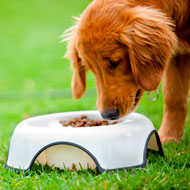
Changes in the amount of protein and carbohydrates in the diet had a similar effect on the microbiota of dogs and humans.
Study suggests dogs could be a good model for nutrition studies 

New research indicates that dog and human microbiomes are more similar than previously thought.

Scientists found the gene content of a dog’s microbiome overlapped with human gut genes by 63 per cent. This is compared to an overlap of 20 per cent in mice and 33 per cent in pigs.

Researchers from the European Molecular Biology Laboratory carried out a randomised trial involving 64 beagles and retrievers, of which an equal number were lean and overweight.

All dogs were fed the same base diet of commercially available dog food for four weeks, before being split into two groups. One group then ate a high protein, low carbohydrate diet for four weeks, while the other was fed a high carb, low protein diet.

Scientists collected 129 faecal samples from the dogs at four and eight weeks, then extracted DNA to create a catalogue of over 1.2 million gut microbiome genes.

Changes in the amount of protein and carbohydrates in the diet had a similar effect on the microbiota of dogs and humans, according to the study, which was published in the journal Microbiota. The microbiomes of overweight or obese dogs were also more responsive to a high protein diet than lean dogs.

The findings suggest dogs could be a good model for research into the effects of diet on human gut microbiota.


Become a member or log in to add this story to your CPD history

Vets launch new podcast for pet owners

News Story 1
 Two independent vets have launched a podcast to help owners strengthen their bond with pets. Dr Maggie Roberts and Dr Vanessa Howie, who have worked in both veterinary practice and major charities, are keen to use their experience to enable people to give pets a better life.

The venture, called Vets Talking Pets, provides advice and information on a range of topics, including how to select a suitable pet, where to obtain them and how to get the best out of your vet. Maggie and Vanessa will also discuss sensitive subjects, including end-of-life care, raw food diets and the cost of veterinary care.

The podcast can be found on all the usual podcast sites, including Podbean, Apple, Amazon Music and YouTube. 

Click here for more...
News Shorts
VMD issues guidance on AVM-GSL packaging

The Veterinary Medicines Directorate (VMD) has shared advice on its requirements for medicines considered AVM-GSL.

The guidance explains the information that should be on the outer package, and sets out the typical maximum pack size for an AVM-GSL product. It also describes the user-friendly language, structure and phrases required on packaging and product leaflets.

AVM-GSL products do not require discussion between the purchaser and a veterinary professional. This means that clear product information is needed to support sales choices.

The information will be useful for submitting new products to the AVM-GSL category and lowering the distribution category of products from NFA-VPS to AVM-GSL.

The VMD's guidance can be accessed here.

