


Scientists to develop smartphone test for poultry diseases
“The impact of this research will be vital in improving both human and animal quality of life."
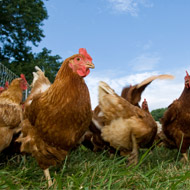
UK researchers have been given a grant of nearly £615,000 to develop mobile technology for detecting infectious diseases of poultry in remote parts of the Philippines.
The grant was awarded by the BBSRC Newton Fund, to the University of Surrey, Brunel University, the Pirbright Institute and Lancaster University.
Together, scientists will work to develop a rapid smartphone test to identify bacterial and viral pathogens. It will consist of a sample collection and preparation device and a small instrument, which wirelessly connects to a smartphone.
An app will then run the test and display the results, which can be sent to a central database for disease surveillance purposes. Such technology could also be used in other developing countries, where access to affordable tests is limited.
Farmers in the Philippines are heavily dependent on the poultry industry and disease outbreaks can have devastating economic consequences.
The country’s poultry industry accounts for 15 per cent of agricultural output and is continuing to grow rapidly. However, diagnostic testing is currently lacking, which has a negative impact on strategies to limit the spread of disease and prevent zoonotic pathogens entering the food chain.
Dr Anil Fernando at the University of Surrey said: “The impact of this research will be vital in improving both human and animal quality of life, whilst also contributing to the global economy.
“This will make a huge change to the poultry industry, specifically in low income countries and will help to generate wealth to the UK economy through its IPR.”

 BVA has announced a new series of its Building Great Workplaces lunchtime webinars.



