


Travel industry urged to do more for animal welfare
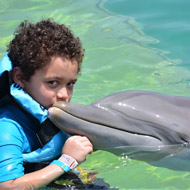
Swimming with dolphins can have serious animal welfare and safety risks.
Following news that tour operator Thomas Cook is to cease selling tickets to attractions keeping orcas in captivity, the RSPCA is calling on the travel industry to do more to endorse good animal welfare overseas.
The leading animal charity said that it would love to see more holiday companies follow in the footsteps of Thomas Cook, and go even further by reviewing all of the animal attractions they sell tickets for.
“We’re really pleased that Thomas Cook has taken this step and appreciate how important the welfare of the animals in tourist attractions is,” said Adam Grogan, head of wildlife at the RSPCA. “We’d also urge all holiday-makers to keep this in mind when they’re planning their trips and to avoid taking part in any activity or visiting any attraction where animal welfare is not of the utmost importance.
“It’s our ethical responsibility to lead the rest of the world by example and take a stand to show that we do not condone any kind of cruelty to animals.”
To help promote ethical tourism, the RSPCA has put together top tips for taking an animal-friendly holiday. They include not taking selfies with animals like chimps and monkeys, not riding elephants, and remembering to donate to local animal welfare charities.
“Riding an elephant, swimming with dolphins, cuddling a tiger cub, or taking a picture with a monkey may seem like a once-in-a-lifetime experience but all of these can have very serious animal welfare and safety risks for tourists,” said Paul Littlefair, head of RSPCA’s international team.
“We work in many countries throughout the world to prevent animal cruelty, and tourism can also play a big part in tackling this. If there is a demand for activities like these and money to be made then cruel practices will continue.
“It’s important to research the activities you are taking part in first and if you are in any doubt, look for ethical alternatives.”


 BVA has announced a new series of its Building Great Workplaces lunchtime webinars.



