


Volunteer vets praise assessment tool after study
The Animal Health Trust (AHT) has come up with a new method of assessing pain in ridden horses, using 24 behaviours to help vets identify pain and lameness.
Dr Sue Dyson, head of clinical orthopaedics at the trust, led a study to determine how accurately vets could use the ethogram to assess pain.
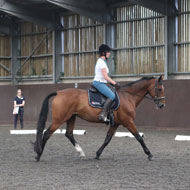
Carried out at World Horse Welfare’s centre in Norfolk, the study involved 20 horse and rider combinations, together with 10 equine vets.
Physiotherapist Jo Spear initially examined the horses’ backs to check for any areas of muscle tightness or discomfort in the back. Meanwhile, saddle fitter Liz Suddaby checked the fit, placement, balance and suitability of each horse’s saddle.
Following this, horses were given a 15-minute ridden warm up before carrying out an eight-minute dressage test.
Equine vets scored each horse for the presence of 24 behaviours that may indicate pain. Tests were recorded so that Dr Dyson could compare her own real-time behaviour analysis and video analysis.
Helen Whitbread of Deben Valley Equine Veterinary Clinic commented: “This system is such a useful tool; most of the factors we were scoring were not a surprise, but by being able to quantify the pain in a way that a client can understand and relate to is priceless.
“Too often in the past our suggestions that a horse is demonstrating abnormal ridden behaviour because of pain has been brushed aside as ‘it has always done that’. Now I can say, for example: ‘Yes, it has scored >8 and is therefore likely to have been in musculoskeletal pain the whole time you have owned it’.”
Dr Dyson added: “The behavioural differences between the lame and non-lame horses in the study were very apparent. I am currently cross-referencing analysis of the volunteers’ results with me as the Gold Standard.
“Early indications show that by giving vets a clear understanding of pain associated behaviour markers they will be better able to recognise pain-related behaviour in ridden horses, which may reflect lameness, and to communicate potential performance problems more effectively with their clients.”
An overview of the study will be presented at the Saddle Research Trust Conference in December.
Image © Animal Health Trust


 Defra has published guidance for the vet sector ahead of a proposed UK-EU Sanitary and Phytosanitary agreement.



