


Cribbing ‘more likely down to stress than gastric discomfort’
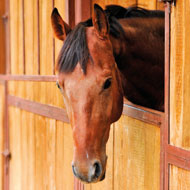
‘It is plausible that there is no direct inherent link between crib biting equine gastric ulceration syndrome – rather that both conditions are linked to environmental and physiological stress.'
Cribbing is more likely to be a response to stress than gastric discomfort in horses, scientists have said.
A research team from the Royal Agricultural University (RAU) examined 42 horse stomachs collected from an abattoir - half of which came from crib biters.
Researchers tested for the presence for ulcers, stomach PH levels and the hormone gastrin, which stimulates the production of stomach acid. According to the results, which were published in the Journal of Veterinary Behaviour, there was no anatomical or physiological difference between the two sets of stomachs.
‘It is plausible that there is no direct inherent link between CB (crib biting) and EGUS (equine gastric ulceration syndrome) rather that both conditions are linked to environmental and physiological stress,’ the authors wrote.
Lead researcher Dr Simon Daniels is quoted by Horse and Hound as saying: “…in both humans and horses gastric ulceration is associated with stress - both environmental stressors and physiological stress, such as from increased free radical production and too few antioxidants.
“Similarly crib-biting behaviour is understood to be a stress coping mechanism for horses. These horses display higher levels of free radicals and reduced antioxidant defences, which is a sign of physiological stress, when compared to non crib-biting horses.”
If there is a link between crib-biting and gastric ulceration, Dr Daniels said that “management of horses that suffer with these conditions - for example by giving nutritional antioxidant support and reducing environmental stress by changing housing or turnout arrangements - may be beneficial in the welfare of this specific group of horses.”


 Defra has published guidance for the vet sector ahead of a proposed UK-EU Sanitary and Phytosanitary agreement.



