


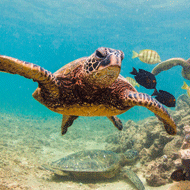
marine turtle products in Nicaragua. (Stock photo)
UK government pledges support for 14 projects
Fourteen new projects to tackle the illegal wildlife trade are set to go ahead, after the UK government pledged £4.6 million in funding.
The chosen schemes include reducing demand for marine turtle products in Nicaragua, which is being carried out by Fauna & Flora International; and a ZSL project to disrupt the illegal trade in grey parrots in Cameroon.
A project by the Durrell Wildlife Conservation Trust will aim to crack wildlife smuggling in Madagascar, while WCS will work to strengthen anti-poaching techniques and counter wildlife trafficking in Uganda.
The government also supplied £40,000 to create new online education packs for children around the world, to teach the next generation about the risks of fuelling the illegal wildlife trade. The resources are available from WWF-UK and Tail2Tail.
Environment minister Thérèse Coffey commented: “The illegal wildlife trade is an international tragedy. This serious organised criminal networks do more than just damage wildlife - corruption and illegal activities undermine sustainable development and the rule of law, bringing misery to local communities.
“The Illegal Wildlife Trade Challenge Fund is backing projects that will tackle the criminals at source and in countries that are destinations for items made from illegally traded plants and animals.”
Defra has invested a total of £23 million in the Illegal Wildlife Trade Challenge Fund, with support from the Department for International Development (DFID). Extra UK aid worth £6 million was pledged by DFID last year.
Each of the 14 selected projects will receive a share of the £4.6 million and further rounds for funding applications will be opened shortly.
Harriett Baldwin, minister of state for international development, said: “UK aid will be giving life to projects whose aim is to protect these species and secure the futures for people living alongside wildlife.
"This is a win for those communities and a win for animal lovers across the world. None of us want to see these majestic animals dying out.”


 BVA has announced a new series of its Building Great Workplaces lunchtime webinars.



