


Scientific experiments on animals at lowest level since 2007
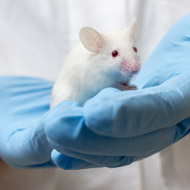
Scientific experiments involving animals have fallen to their lowest level since 2007.
Scientific experiments involving animals have fallen to their lowest level in the UK since 2007, but animal welfare organisations say more needs to be done to reduce suffering and improve animal welfare.
The Statistics of Scientific Procedures on Living Animals Report shows there were 3.45 million procedures in 2018, a drop of seven per cent on 2017 and the lowest number of procedures since 2007. Of these, 1.8 million were experimental, while 1.72 million were for the creation and breeding of genetically altered animals.
Animal welfare charity RSPCA said that despite the fall, the sheer number of animals involved underscores the need for greater regulation and increased efforts to develop human alternatives.
Dr Penny Hawkins, head of the research animals team at the RSPCA, said: “We sincerely hope that this fall in numbers reflects an ongoing trend. If it is due to increasing uptake of humane alternatives, and fewer animal lives being wasted when creating genetically altered animals, then this would be an essential step towards more humane science.
“But it is important not to become complacent. Behind these numbers are the lives of millions of individual animals. Each is sentient, and each is capable of experiencing pain, suffering and distress. The RSPCA strongly believes that these animals deserve much better and that a lot more could still be done in practice to challenge animal use, reduce suffering and improve welfare.”
Separate government figures published in 2018 show that, further to the animals used in scientific procedures, 1.8 million animals were bred but later killed or died without being used. This takes the total number of animals used in science in Great Britain to more than five million.
Penny continues: “Around 40-50 million animals will have been used for scientific purposes in the UK over the last decade. That is a truly breathtaking statistic which should make everyone sit up and take notice.
“It represents a staggering impact on animals. Although numbers are down this year, there is still a very long way to go. Significant additional investments are essential towards developing, validating and using non-animal technologies.”

 BVA has announced a new series of its Building Great Workplaces lunchtime webinars.



