


Vets speak out on laminitis control
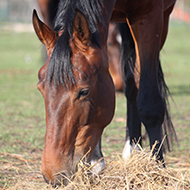
A group of veterinary experts have spoken out about laminitis in horses.
A group of veterinary experts have spoken out about laminitis in horses, stressing that weight loss, diet and management changes are key to its control.
David Rendle, equine internal medicine specialist at Rainbow Equine Hospital, Andrew Van Eps from the University of Pennsylvania and Nicky Jarvis of Redwings Horse Sanctuary discussed the latest understanding on laminitis at BEVA Congress earlier this month, including causes, diagnosis, management and prevention.
Dr Rendle said that some 90 per cent of laminitis cases have endocrinopathic laminitis, “which is the same as pasture associated laminitis”. This involves either equine metabolic syndrome (EMS) or pituitary pars intermedia dysfunction (PPID), but while greater understanding of EMS and PPID has helped in preventing laminitis, there is still much that remains unknown.
He pointed out that insulin dysregulation is often disregarded in the assessment of laminitis when PPID is suspected and warned: “If insulin dysregulation and metabolic dysfunction are overlooked in horses that are diagnosed (often incorrectly) with PPID and appropriate management changes are not implemented, the risk of laminitis may persist.”
On the management of endocrinopathic laminitis, he concluded that “central is clearly diet and management change, not pharmaceuticals.”
Andrew van Eps echoed the call for the early identification of horses at risk of laminitis. He said that management to reduce the risk can “include a combination of dietary control, pasture access management, weight loss and exercise which can dramatically reduce the risk of laminitis development or progression”.
Nicky Jarvis spoke about the serious impact of obesity on horse health, adding “the horse isn’t just a little bit chunky it actually has ‘ill health’ because of that amount of fat.”
The long term approach, she advised, “is rather than crash diets, either in the summer or once they have got laminitis, is to encourage people to realise that it’s a natural thing for horses to lose weight over winter. And, if we can get them to keep those rugs off and persuade them not to go to their local shop and buy supplementary feeds and grains just because they feel cold, we wouldn’t have so many problems during the summer months.”


 Defra has published guidance for the vet sector ahead of a proposed UK-EU Sanitary and Phytosanitary agreement.



