


Winter avian flu threat
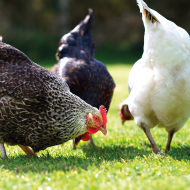
All poultry keepers should register with the Great Britain Poultry Register
UK chief veterinary officers (CVOs) are encouraging all poultry keepers to take action now to reduce the risk of disease in their birds over the winter.
There are some simple measures that all poultry keepers – whether they are running a large commercial farm, keeping a few hens in their back garden, or rearing game birds – should take to protect their birds against the threat of avian influenza (bird flu) in the coming winter months.
Precautions include:
- keeping the area where birds live clean and tidy, controlling rats and mice and regularly disinfecting any hard surfaces
- cleaning and disinfecting footwear before and after visits
- placing birds’ feed and water in fully enclosed areas that are protected from wild birds, and removing any spilled feed regularly
- putting fencing around outdoor areas where birds are allowed and limiting their access to ponds or areas visited by wild waterfowl
- where possible, avoid keeping ducks and geese with other poultry species.
‘Good robust biosecurity should be maintained at all times, including regularly cleaning and disinfecting the area where you keep birds and separating them from wild birds wherever possible.’
The UK has retained its OIE country freedom status since September 2017, as there have been no detections of highly pathogenic avian influenza in poultry or kept birds in the UK since June 2017.
The H5N6 strain of avian influenza was confirmed in 21 wild birds between January and June 2018. No cases were found in domestic poultry, either in commercial or small holdings, or in captive birds in 2018. Whilst there have been no findings in wild birds in the UK since June 2018, the virus is still circulating around the world both in wild birds and domestic poultry. So it is important that action is taken to improve biosecurity.
All poultry keepers across the UK are urged to remain vigilant and alert APHA in Great Britain or DAERA in Northern Ireland as soon as they suspect any signs of the disease. They should also register their birds on the Great Britain Poultry Register (GBPR).
If you have 50 or more birds, this is a legal requirement. Keepers with fewer than 50 birds are also strongly encouraged to register. In Northern Ireland there is a legal requirement for all bird keepers to register their birds on the DAERA Bird Register.
Registering your birds means the Government can contact you in case of any outbreaks and provide information on the steps to take to limit the chances of your birds contracting disease.


 BVA has announced a new series of its Building Great Workplaces lunchtime webinars.



