


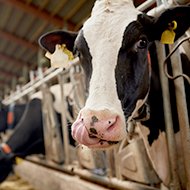
Study shows practice reduces the unnecessary use of antibiotics
SAC Consulting, part of Scotland’s Rural College (SRUC), is urging dairy farmers to practice selective dry cow therapy to reduce the use of antibiotics used when drying off.
The call comes in response to a project that found that restricting treatment to ‘high-risk cows’ reduces the unnecessary use of antibiotics and saves producers money, without any harm to udder health.
In the project, researchers focused on cutting drying-off antibiotic use at eight farms in Aberdeenshire and nine in Ayrshire.
They analysed some 3342 cows, of which 57 per cent received selective dry cow therapy (SDCT) and 43 per cent received antibiotic dry cow therapy (DCT). All of the cows received an internal teat sealant at drying off.
Researchers found the incidence of mastitis in cows on SDCT was lower than those receiving antibiotics, and there was no increase in cows calving with a high cell count.
Project coordinator Lorna MacPherson, explained: “There is mounting pressure on the livestock sector to reduce antibiotic use due to the global threat from the emergence of antibiotic-resistant strains of bacteria.
“The dairy industry has cut prophylactic antibiotic use significantly in the past few years and is well on track to meet government targets but it’s important for farmers to feel confident that by cutting out treatments they are not risking greater need for antibiotics later down the line. This was the main objective of this project.”
She continued: “The results showed next to no difference in either the dry period protection rate or the dry period cure rate between the systems. In fact, it proved that 74 per cent of the cows self-cured.”
The project was funded by the Scottish Government and carried out by SAC Consulting in partnership with Müller, Zoetis and the University of Edinburgh.


 Defra has published guidance for the vet sector ahead of a proposed UK-EU Sanitary and Phytosanitary agreement.



