


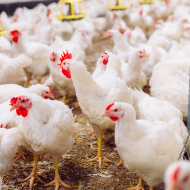
More than 20,000 birds to be humanely culled
A strain of avian influenza has been confirmed at a commercial chicken farm in mid-Suffolk.
According to Defra, the strain is H5 low pathogenicity avian influenza (H5 LPAI). A one-kilometre restriction zone has been placed around the infection zone - reported to be a farm in Athelington - to minimise the risk of the disease spreading.
A total of 27,000 birds on the premises will now be humanely culled and an official investigation is underway to determine the source of the outbreak.
According to the BVA, the case was identified by a veterinary surgeon investigating a fall in egg production in the flock, demonstrating the importance of disease surveillance.
Public Health England said the risk to public health from this particular strain of avian flu is ‘very low’ and the Food Standards Agency has made clear that avian flu does not pose a food safety risk to UK consumers. Properly cooked poultry and poultry products, including eggs, remain safe to eat.
Poultry keepers are being urged to remain vigilant about the health of their birds, maintain strict biosecurity measures and speak to their veterinary surgeon if they have any concerns.
Commenting on the disease outbreak, the BVA and the British Veterinary Poultry Association (BVPA) said: “We’d like to emphasise that this strain of avian influenza virus poses very low risk to public health and disease control actions taken to date reduce risks to poultry health.
“The quick identification of the suspected case by a private veterinary surgeon and swift precautionary measures to contain the disease also illustrate the ongoing importance of a robust veterinary surveillance system.
"BVA and BVPA urge all vets and poultry keepers, including keepers of backyard flocks and seasonal poultry producers, to remain vigilant to any unusual signs of disease and continue to maintain the highest standards of hygiene and biosecurity. Any suspicions of avian influenza should be reported to Defra as soon as possible.”
Chief veterinary officer, Christine Middlemiss, added: “Bird keepers should remain alert for any signs of disease, report suspected disease immediately and ensure they are maintaining good biosecurity on their premises. We are urgently looking for any evidence of disease spread associated with this strain to control and eliminate it.”
More information about avian influenza can be obtained from the Defra helpline on 03459 33 55 77 or via gov.uk.
Vets are urged to report any suspected cases to the Defra Rural Services Helpline on 03000 200 301 (in England) and in Wales contact 0300 303 8268. Vets in Scotland should contact their local Field Services Office.


 Defra has published guidance for the vet sector ahead of a proposed UK-EU Sanitary and Phytosanitary agreement.



