


Scientists highlight importance of a vaccine for Cryptosporidiosis
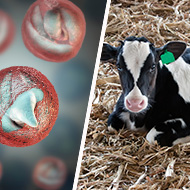
Cryptosporidiosis is a concern for beef and dairy farmers across the globe.
Scientists have highlighted the importance of developing a vaccine for Cryptosporidiosis, a parasitic disease of primarily young calves caused by the parasite Cryptosporidium parvum.
Researchers at the Moredun Research Institute, together with scientists at the University of Edinburgh's Roslin Institute, reported that Cryptosporidiosis can result in significant longer-term weight loss and considerable economic burden for farmers.
They found that, on average, a calf with severe disease weighed 34kg less than a calf which showed no clinical signs of Cryptosporidiosis. The direct losses associated with this reduced weight gain related to sales in that year were calculated to be approximately £130 per affected calf, the researchers said.
On top of this, there are further costs incurred from increased feed and husbandry to get cattle to market weights, additional labour to look after sick calves and veterinary treatment.
“Management strategies to help reduce the impact of cryptosporidiosis are important and should be applied to improve the health and welfare of cattle, increase production efficiency and reduce contamination of the farm environment with infectious Cryptosporidium oocysts,” commented Dr Beth Wells of Moredun Research Institute. “Further research is also required working towards a vaccine to prevent this disease.”
Cryptosporidiosis is a concern for beef and dairy farmers across the globe. Symptoms include watery and profuse diarrhoea mainly in calves under three weeks old, causing dehydration, depression and in some cases death.
Currently, there are no vaccines for the disease and only two licenced products in the UK to treat the infection. Scientists say while the treatments can reduce symptoms and shedding of the parasite in faeces, they will not cure the disease.
The study took place during the spring calving of 2017 on a commercial beef suckler farm in Scotland. It was designed to address a knowledge gap on how Cryptosporidium parvum affects the long-term growth of calves, as well as provide data to help evaluate its impact on the efficiency of beef production.


 Defra has published guidance for the vet sector ahead of a proposed UK-EU Sanitary and Phytosanitary agreement.



