


APHA announces temporary exclusion of bovine TB testing in calves
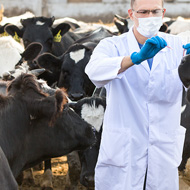
The move follows campaigning by the veterinary profession to allow a greater number of TB herd tests to be completed safely.
The APHA has made a temporary amendment to bovine TB testing (TB) in England and Wales that will allow herd tests to continue safely during the COVID-19 pandemic.
The amendment allows calves under 180 days old to be excluded from certain routine and targeted surveillance TB tests in OTF herds if, in the vet's opinion, they cannot be tested under social distancing guidelines.
The guidance adds that, as long as the older animals in the herd have tested negative for TB within the relevant testing window, then no movement restrictions will be placed on herds.
The move follows campaigning by the veterinary profession to allow a greater number of TB herd tests to be completed safely.
Welcoming the amendment, BVA's junior vice-president James Russell said: “We are extremely pleased to see this pragmatic approach to bovine TB testing rules following urgent representations to the government by the veterinary profession.
“While we recognise that it will have some effect on the overall interpretation of the TB status of herds, the amendment provides a risk-based approach that prioritises human safety and public health whilst allowing vets and farmers to continue vital animal health work during the Covid-19 restrictions.
“From a longer-term perspective, it will help vets maintain the food supply chain by controlling bovine TB through statutory controls.”
Nikki Hopkins, president of The British Cattle Veterinary Association (BCVA) added: “Clearly, the restrictions everyone faces under COVID-19 requires cooperation between vet and client in new and challenging ways. Each party needs to understand its own obligation to ensure one another’s safety.
“We must all work together, with farming unions and APHA to communicate those responsibilities to our communities in-order to avoid risky interactions. This temporary exemption is a really positive move and hopefully strikes a balance between keeping everyone safe, still maintaining the food chain and bTB surveillance, whilst allowing vets the flexibility to make informed testing decisions on-farm, without the pressure of putting some farms under suspension.”
Normal TB testing procedures still apply in Scotland. The BVA states that, if it’s not possible to safely TB test calves whilst maintaining social distancing, vets must record this on the test chart and the test will be incomplete.
A guide for farm vets and Official Veterinarians on assessing essential care during the Covid-19 pandemic is available to view on the BVA's website.


 Defra has published guidance for the vet sector ahead of a proposed UK-EU Sanitary and Phytosanitary agreement.



