


Equine small redworm blood test study published
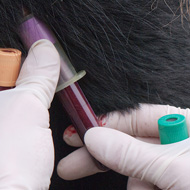
The test enables horse owners to work with their vets in targeting anthelmintic treatments against cyathostomin infection.
Research into the equine small redworm (cyathostomin) blood test has been published in the International Journal of Parasitology to provide vets with additional evidence on its accuracy.
The paper details the research that was undertaken to define the final format of the test, developed by the Moredun Research Institute and commercialised by Austin Davis Biologics in September 2019.
The test enables horse owners to work with their vets in targeting anthelmintic treatments against cyathostomin infections, and therefore ensure that the drug is only administered when it is really needed.
Professor Jacqui Matthews, chief technology officer at Roslin Technologies and inventor of the test, said: “This research paper describes the selection of antigens that provide coverage for detecting the commonest cyathostomin species found globally”.
Dr Corrine Austin, director at Austin Davis Biologics, commented: “Publication of this research is important as it provides veterinarians with additional evidence of the commercial test’s accuracy. Following on from this published research, we conducted additional validation and optimisation of the test for use on robotic systems.”
Dr Stewart Burgess, principal investigator at the Moredun Research Institute added: “The availability of the test greatly benefits evidence-based worm control in horses and fills an important gap in the diagnostic toolbox for equine veterinarians”.


 Defra has published guidance for the vet sector ahead of a proposed UK-EU Sanitary and Phytosanitary agreement.



